
Missing and damaged shingles
Lost or creased shingles are replaced and the surrounding courses are checked so the new piece laps correctly. Old shingles can be brittle, and an exact color match is not always possible on a weathered roof.
Sterling Roofers repairs leaks, lost shingles, failed flashing and cracked vent boots on houses and townhouses across Northern Virginia, Washington DC and Maryland. The job starts with finding where water gets in, because a ceiling stain only shows where it came out.
Where leaks start
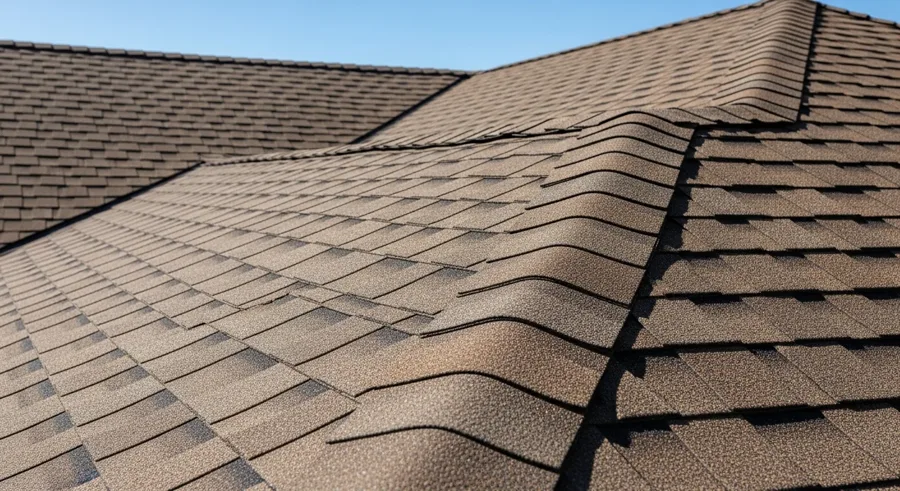
A shingle roof sheds water because every layer overlaps the one below it. Leaks usually begin where that overlap is interrupted: around a chimney, beside a wall, at a pipe, in a valley or where a shingle has lifted. The field of shingles in between is rarely the culprit until it is badly worn.
That is why a good repair is a diagnosis first. Water can run along a rafter or under the underlayment for some distance before it drips onto a ceiling, so the stain in the bedroom may sit several feet from the opening. A repair that follows the stain instead of the water path tends to fail again in the next storm.
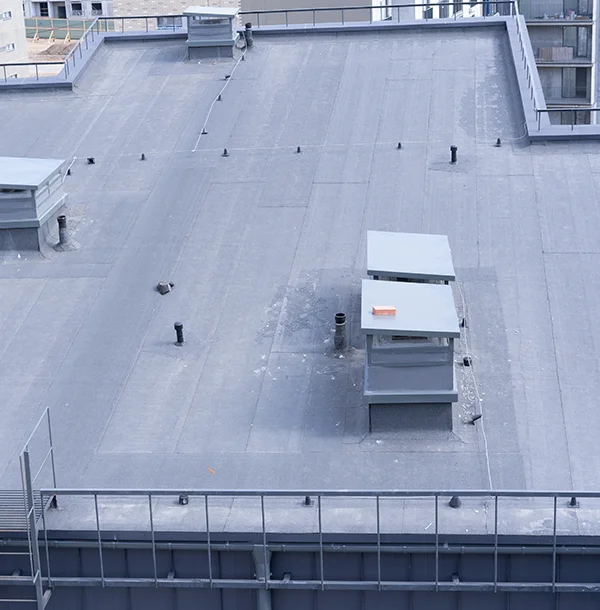
Most homes in this market carry asphalt shingles, so this page focuses on them. Flat porch roofs and low-slope additions behave differently and are covered under flat and commercial roofing.
Symptoms
Use this as a guide to the conversation, not a diagnosis from a photo.
| What you notice | Common source to check |
|---|---|
| Stain beside a chimney | Step and counter flashing, or the joint between flashing and masonry |
| Drip near a bathroom fan or plumbing stack | A cracked rubber vent boot or a loose exhaust cap |
| Shingle pieces in the yard | Wind-lifted or torn tabs, and the sealed strip that should have held them |
| Leak only in wind-driven rain | Roof-to-wall joints, gable edges and exposed fasteners |
| Stain below a valley | Worn or poorly lapped valley material where two slopes shed water together |
| Brown ring that keeps coming back | An earlier patch that sealed the surface but not the entry point |
Condensation, plumbing leaks and gutters that overflow can leave the same marks indoors, so the attic and the exterior both get a look before anyone commits to a roof repair.
Repairs we handle
Lost or creased shingles are replaced and the surrounding courses are checked so the new piece laps correctly. Old shingles can be brittle, and an exact color match is not always possible on a weathered roof.
Chimney, wall and skylight flashing is rebuilt or replaced where it has lifted or corroded. Smearing sealant over a failed joint is a temporary measure and we say so when that is all a scope contains.
Rubber collars around plumbing stacks crack in the sun long before the shingles wear out. Replacing the boot is a small job when it is caught early.
Valleys carry the most water on a roof, and ridge caps take the most wind. Both are checked for lifted, cracked or poorly fastened pieces. See also our guide to ridge cap repair cost.
If water has been getting in for a while, the plywood or boards below can be damp or soft. Replacing a section is priced as a separate line so it never hides inside a lump sum.
After wind, hail or a fallen limb, the repair scope covers what is damaged and what is visible but sound. Our storm damage roofing page explains the next steps.
How a repair runs
Five steps, each with something in writing you can ask for.
A free 15-minute call to describe where water shows up, when it started, and what has been tried before.
Someone comes at a time you choose, looks at the roof surface and the attic where it can be reached, and notes what cannot be seen.
The area and parts being repaired, what is excluded, how any rotten decking would be priced, and how you would approve extra work.
Done to the written scope, with the work area protected and debris removed.
You get a plain description of what was changed, plus advice on the condition of the roof around it.
Repair or replace
A repair is a sound choice when the damage is local and the shingles around it are still flexible, firmly sealed and holding their granules. A cracked boot, a loose flashing run or a handful of wind-lifted tabs fit that description.
Replacement deserves a real conversation when leaks appear in several unrelated places, shingles crack when touched, large areas have lost granules or curled, or repairs keep stacking up on the same slope. Ask what the roof will look like after the repair, not only what the repair costs. When the answer points to a full job, read about roof replacement or request a roof inspection to compare the two on the facts. The roofing materials comparison helps if a change of covering is on the table.
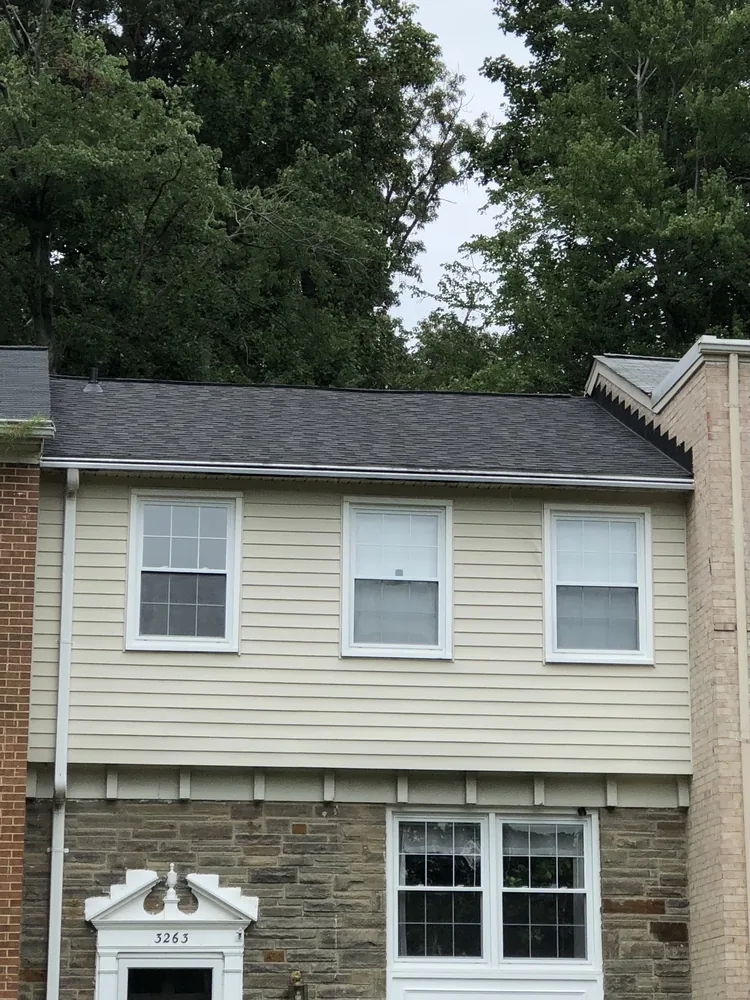
Townhouses add questions of their own: who owns the roof section, whether an association must approve a color or product, and whether access crosses a neighbor's lot. Settle those before a date is set.
Cost and comparison
Two quotes only compare when they describe the same work.
The roof area or component being repaired, the materials, protection and disposal, anything left out such as masonry or interior finishes, and the way hidden damage is documented and approved. Our repair contract checklist goes line by line.
Roof height and pitch, access for ladders and staging, how much shingle must be opened up, whether flashing or decking needs work, and how common the shingle is. We do not publish a single price because no two leaks need the same fix. Read how costs are built in the roof repair cost guide and the missing shingles cost guide.
Fairfax County guidance treats roof repairs and chimney repairs as work that can need a permit, while a plain shingle replacement does not. The building official makes the call for your scope, so confirm it with Land Development Services at 703-222-0801. Other jurisdictions have their own offices, and the service areas page lists where we work.
While water is coming in
Stay off the roof. Wet shingles are slippery, and a roof that is already leaking may have weak decking. Look from the ground, take photos of the ceiling and any visible damage, and keep your distance from sagging drywall and wet light fixtures.
Put a bucket under the drip, move furniture aside, and note the time and the weather when it started. Those notes help narrow the source later. If the storm caused the damage, photographs also help with a claim, and our roof insurance claim help explains the sequence. The storm damage roof inspection guide covers what to document.
Tarping and permanent repair are different scopes. Ask which one is being proposed, and what happens after the tarp.
Where we work
The office is on Tyco Road in Vienna, and repair calls come from the surrounding communities. Local pages cover Vienna, Reston, Herndon, Fairfax, McLean, Oakton, Sterling, Arlington and Alexandria. We also serve Washington DC and Maryland, including Bethesda and Silver Spring. See all roofing services for the rest of the list.
Reviews
Word for word from the Google profile, rated 5.0 across 28 reviews.
“When some parts of my roof was damaged last winter, I had called another company. They said they would come by and email an estimate to me within a week. I waited for two weeks and never heard back.”
FAQ
Often, yes. If the water is entering at one flashing joint, boot or damaged patch and the shingles around it are still sound, a targeted repair can solve it. Widespread cracking or several separate leaks point toward replacement instead, and a visit is the way to tell which applies.
Water follows rafters, the underlayment and the top of the ceiling drywall before it drips. The stain marks where it finally got through, not where it entered, which is why the roof and attic are both checked.
Sometimes close, rarely identical. Sun and weather fade shingles, and manufacturers change colors and lines over time. We look for the nearest available product and tell you plainly if a visible difference is likely.
Climbing onto a wet roof is the real danger, and a coating over a failed joint usually hides the symptom for a season. Photograph the damage from the ground and let a roofer find the entry point.
Common reasons are a patch applied over the symptom instead of the entry point, a second leak elsewhere, or tired shingles near the repair that failed next. Records of earlier work help narrow it down, so bring whatever you have.
Not by itself. A cracked vent boot or lifted flashing can fail on a roof that is otherwise in decent shape. Age matters, but so do granule loss, curling, decking condition and how many places are leaking.
Fix the roof first and let the wet materials dry and be checked. Closing up a damp ceiling can trap moisture, and interior repair is usually a different contractor and scope.
Often an association or owner group has a say, especially when the color, product or appearance of the roof will change. Ask the association for its rules and confirm who maintains the roof section above your unit.
Talk it through
Call (703) 436-4445 or book the phone consultation. Have the address, the room where you see the stain, when it began and any earlier repair details ready. Ground-level photos and pictures of the ceiling help, and nobody needs to go up on the roof to take them.
Talk through the next step
Share the property address, the condition you are seeing and the decision you need to make.