Sterling VA Roofing Guide: Contractors, Repairs, and Replacement Decisions
Sterling VA Roofing Guide: Contractors, Repairs, and Replacement Decisions
Key Takeaways
- Sterling’s mix of 1980s–2000s subdivisions means many roofs are reaching end-of-life simultaneously — plan inspections proactively
- Virginia DPOR Class A or B license is required for all roofing contractors — verify before allowing work on your home
- Loudoun County permits are required for full replacements in Sterling — your contractor should pull it, not you
- HOA approval is required for material and color changes in many Sterling planned communities — check governing documents first
- A written workmanship warranty of at least two years, separate from manufacturer coverage, is a standard expectation for quality contractors
Homeowners in Sterling know that the roof over their heads does more than keep the rain out—it holds the entire structure together and protects everything inside from a climate that tests building materials in every season. If you are searching for roofing contractors sterling va to handle a repair, evaluate storm damage, or plan a full replacement, this guide was written specifically for you. Sterling Roofers serves Northern Virginia and nearby Maryland communities across the DMV. We created this resource to walk you through the most common roofing challenges Sterling homeowners face, explain how to evaluate contractors without the usual stress, and give you a realistic picture of what a well-managed roofing project looks like from start to finish.
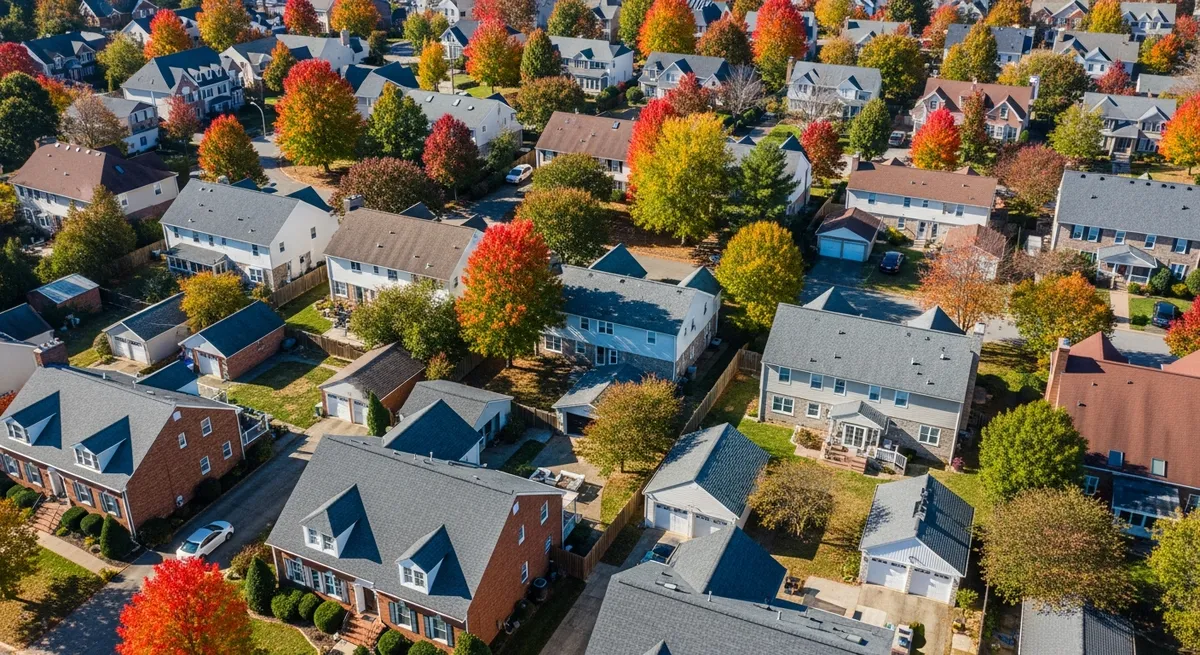
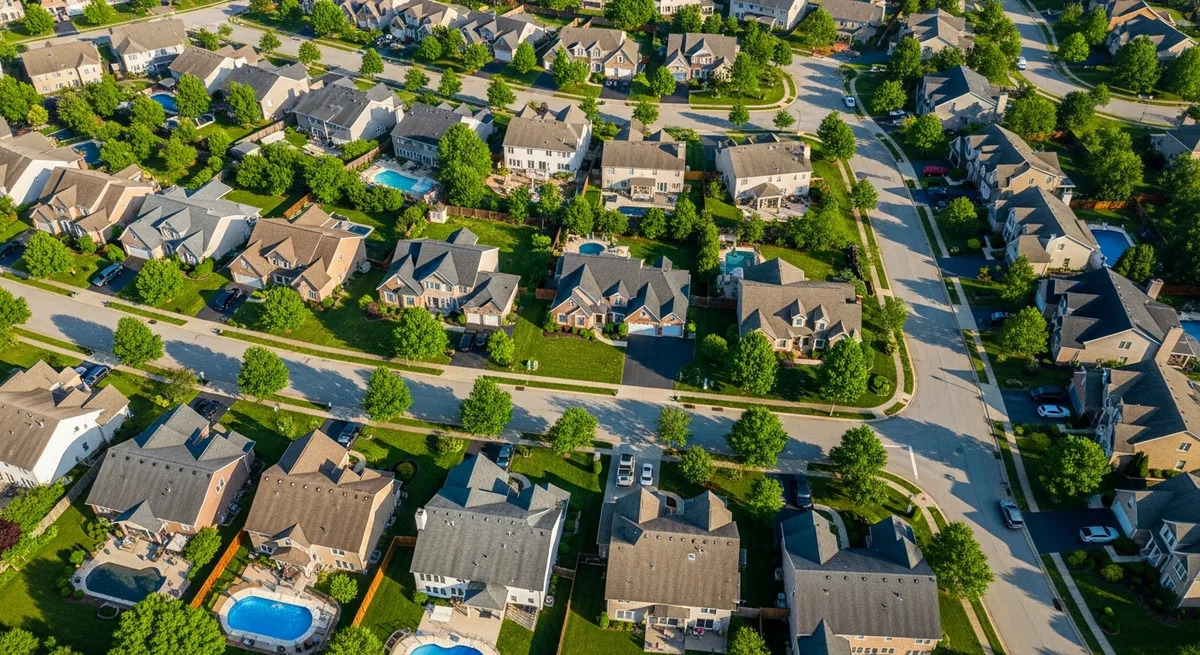
Sterling sits in a part of Loudoun County where suburban development has expanded rapidly over the past two decades. That growth means the area has a wide mix of housing stock—from older colonial-style homes built in the 1970s and 1980s to newer construction from the 2000s and beyond. Each generation of home comes with its own roofing considerations, and a contractor who understands the differences between a 40-year-old plywood deck and modern OSB sheathing, or between three-tab shingles and architectural laminate, is a contractor who can give you advice tailored to your specific home rather than a generic pitch. The best roofing companies sterling va homeowners can hire are the ones who take the time to understand what your roof actually needs before recommending what you should spend.
Northern Virginia’s weather patterns make roofing decisions especially important. The region experiences hot, humid summers that push attic temperatures well past 130 degrees, cold winters with periodic freeze-thaw cycles, and spring and fall storm seasons that regularly deliver high winds and heavy rain. Sterling’s position in the Dulles corridor also means it occasionally catches weather systems that sweep through the Shenandoah Valley with extra intensity. All of these factors accelerate wear on roofing materials and make it essential to work with a contractor who understands how local climate conditions affect every component of your roofing system.
This guide covers the roofing problems Sterling homeowners encounter most often, how to tell whether you need a repair or a full replacement, what a proper estimate should look like, how to choose a contractor without second-guessing yourself, and what to expect on the day the crew shows up. By the time you finish reading, you will have a clear framework for making confident decisions about your roof—whether the project is a $600 patch or a $20,000 replacement.
Sterling Roofing Problems Homeowners See Most
The roofing problems that show up most frequently in Sterling are directly tied to the region’s climate and the age of the housing stock. Understanding what these problems look like and why they happen puts you in a much better position to catch issues early, before a minor concern turns into an expensive repair or an emergency situation during the next heavy rain.
Wind damage is the single most common issue roofing contractors sterling va professionals address in this area. Sterling sits in a corridor that funnels wind from the west, and gusts during spring and summer storms regularly exceed 50 miles per hour. That kind of wind force is enough to lift the edges of shingles that have lost their adhesive bond, peel back starter strips along eaves, and crack ridge cap shingles that have become brittle with age. Wind damage does not always mean shingles are missing—sometimes a shingle lifts, breaks its seal, and settles back into place, leaving a vulnerability that is invisible from the ground but allows water to penetrate during the next rainstorm. A professional inspection after any significant storm is the only reliable way to catch this kind of hidden damage before it causes interior leaks.
Flashing failures are the second most common source of roof leaks in Sterling homes. Flashing is the thin metal material installed at every transition point on your roof—where the slope meets a wall, around chimneys, at vent pipe penetrations, and in valleys where two slopes converge. Over time, the sealant that bonds flashing to adjacent surfaces dries out, cracks, and separates, creating pathways for water to enter the structure. Chimney flashing is especially vulnerable because the mortar joint where counter-flashing is embedded can deteriorate independently of the flashing itself, and the thermal expansion and contraction of a masonry chimney puts constant stress on every seal. If you have noticed a water stain on the ceiling near your chimney or along an interior wall that borders a roof-to-wall junction, flashing failure is the most likely cause.
Granule loss is a slower, more gradual problem that affects every asphalt shingle roof over time. The ceramic granules embedded in the shingle surface protect the underlying asphalt from ultraviolet radiation, and as those granules wear away, the shingle becomes increasingly vulnerable to cracking, curling, and moisture absorption. You can spot granule loss by checking your gutters and downspout discharge areas—if you find accumulations of gritty, sand-like material, your shingles are shedding their protective layer. Some granule loss is normal during the first year after installation, but consistent heavy shedding on a roof that is five or more years old indicates accelerated aging that should be evaluated by a professional. Roof repair sterling va homeowners need most often starts with addressing the consequences of advanced granule loss before leaks develop.
Ice dams are a winter-specific problem that catches many Sterling homeowners off guard. When warm air from the living space rises into an inadequately insulated or ventilated attic, it heats the roof deck from below, melting snow on the upper portions of the roof. That meltwater flows downhill toward the eaves, where the roof surface is colder because it extends beyond the exterior wall. The water refreezes at the eave, forming a dam of ice that traps subsequent meltwater behind it. That trapped water has nowhere to go but under the shingles and into the structure, causing damage to decking, insulation, drywall, and paint. Preventing ice dams requires adequate attic insulation, proper soffit-to-ridge ventilation, and in some cases, heat cables or additional ice-and-water shield membrane along the eave line.
Moss and algae growth is especially common on north-facing roof slopes in Sterling’s tree-lined neighborhoods. The mature canopy that makes the area so attractive also creates persistent shade on portions of many roofs, and that shade combined with Northern Virginia’s humidity provides ideal conditions for biological growth. Moss is more than a cosmetic issue—its root structures lift shingle edges and hold moisture against the roof surface, accelerating deterioration. Algae creates dark streaks that absorb heat and can reduce the reflective properties of lighter-colored shingles. Both problems can be managed with zinc or copper ridge strips, periodic cleaning with appropriate solutions, and strategic tree trimming to increase sunlight exposure on affected slopes.
Gutter-related roof damage is a problem that homeowners often overlook because they think of gutters and roofs as separate systems. In reality, the two are intimately connected. When gutters are clogged with leaves, seeds, and debris—which happens frequently in Sterling’s wooded neighborhoods—water backs up behind the gutter and wicks under the drip edge, saturating the fascia board and the lower edge of the roof decking. Over time, this creates rot that undermines the structural attachment point of the gutter itself and allows water to infiltrate the soffit area. Keeping gutters clean and ensuring proper water flow away from the roof edge is one of the simplest and most cost-effective ways to protect your roofing investment. Our gutter installation guide covers this topic in detail.
Signs You Need Repairs vs a Full Replacement
One of the most important decisions any homeowner faces is whether a roof problem calls for a targeted repair or a complete roof replacement sterling va project. Getting this decision right saves you money in the long run, and getting it wrong—in either direction—can cost you thousands. A contractor who always recommends replacement regardless of the situation is not acting in your best interest, and neither is one who patches a failing roof just to collect a smaller fee today while knowing you will need a full replacement within a year or two.
Repair is the right call when the damage is localized, the rest of the roof is in solid condition, and the roof has significant useful life remaining. A section of wind-damaged shingles on one slope, a single leaking pipe boot, a deteriorated section of valley flashing, or a small area of impact damage from a fallen branch—these are all problems that a skilled contractor can address without disturbing the rest of the roof. If your roof is less than 15 years old and the issue is confined to a specific area, a well-executed repair will restore full protection and should last for the remaining lifespan of the surrounding materials.
Replacement becomes the better option when problems are widespread, when the cost of accumulated repairs approaches a meaningful percentage of a new roof’s price, or when the roof has reached the end of its expected service life. Most asphalt shingle roofs in Northern Virginia last between 20 and 30 years depending on the quality of the original materials, the adequacy of ventilation, and how well the roof has been maintained. If your roof is approaching or past the 20-year mark and you are seeing granule loss across multiple slopes, curling or cracking shingles, daylight visible through the decking from the attic, or persistent leaks that keep returning despite repairs, replacement is almost certainly the more economical path forward.
There are also situations where the underlying structure dictates the decision. If a roof inspection reveals soft spots in the decking, widespread mold growth on the underside of the plywood, or sagging along the ridge line, these are structural indicators that go beyond surface-level shingle condition. Addressing structural problems requires removing the existing roofing to access and repair or replace the decking, and once the roof is stripped to the deck, installing new roofing is the only practical option. A trustworthy contractor will explain these findings clearly, show you photographic evidence, and walk you through the reasoning behind a replacement recommendation so you can make an informed decision.
The financial comparison between ongoing repairs and replacement is something every homeowner should calculate before making a decision. If you have spent $3,000 on repairs over the past three years and another $2,000 in repairs is projected for the next two years, that $5,000 total represents a significant portion of what a new roof would cost—and the new roof would come with fresh warranties, modern materials, and decades of reliable protection. Our roof replacement cost guide for Northern Virginia breaks down the specific numbers to help you make this comparison with confidence.
Energy efficiency is another factor that tips the scale toward replacement in many cases. Older roofs often lack adequate ventilation, use outdated underlayment materials, and may have been installed over previous layers of roofing that add weight without improving performance. A modern replacement project addresses all of these issues simultaneously, resulting in a cooler attic in summer, reduced strain on your HVAC system, and lower energy bills year-round. Some homeowners who replace an aging roof report noticeable improvements in comfort even before they see the reduction in their utility costs.
What a Proper Estimate Should Include
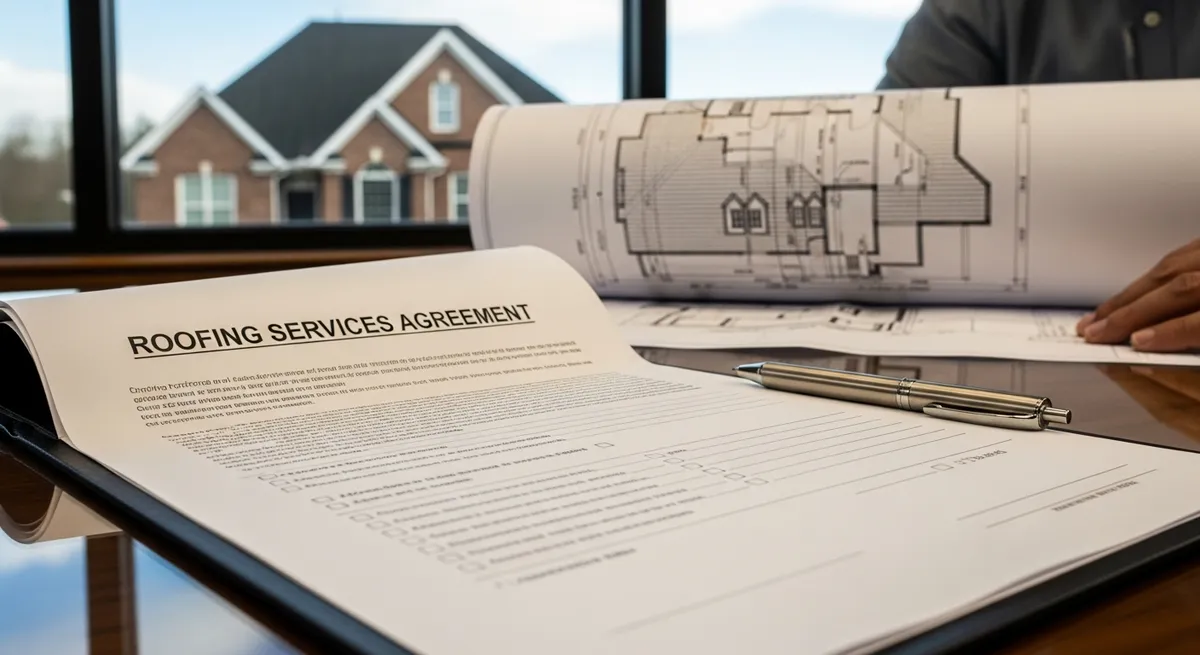
The quality of the estimate you receive tells you almost as much about a contractor as the quality of their actual roofing work. A vague, one-line estimate that simply states a total price with no breakdown is a warning sign that should make you hesitate. The best roofing contractors sterling va homeowners work with will provide a detailed, itemized document that lets you see exactly where every dollar is going and makes it possible to compare proposals from different companies on an equal basis.
Materials should be listed by specific product, not generic categories. Instead of simply writing “shingles,” a proper estimate will name the manufacturer, product line, and color—for example, “GAF Timberline HDZ, Charcoal, 32 squares.” The underlayment type should be specified as either synthetic felt or self-adhering ice-and-water shield, with quantities noted. Drip edge, step flashing, valley metal, pipe boots, ridge vent, and starter strip should all appear as individual line items with quantities and unit costs. When materials are itemized this way, you can verify the quality of what is being proposed and ensure that no corners are being cut on components that are hidden once the roof is complete.
Labor costs should be separated from material costs so you can understand the proportion of each in the total price. Tear-off and disposal should be listed as their own line items, including the number of layers being removed and the method of disposal. If the project requires a Loudoun County building permit—which is required for most full replacements and for structural repairs involving decking work—the permit fee should appear as a specific charge rather than being absorbed into overhead. This level of transparency protects you from surprise charges and gives you a clear record of what was agreed upon if any questions arise during or after the project.
The estimate should also address contingencies. No contractor can guarantee that the decking beneath your existing shingles is in perfect condition until the old roofing is removed, and a responsible estimate will include a per-sheet price for decking replacement should it be needed. This is not padding the estimate—it is providing you with a predetermined, agreed-upon cost for a situation that commonly arises during tear-off. Without this provision, you are left negotiating a price for additional work while the crew stands on your exposed roof deck waiting for a decision, and that is not a position any homeowner wants to be in.
Timeline and scheduling details belong in every estimate. You should know the projected start date, the estimated duration of the project, the plan for weather delays, and the expected completion date. A one-day tear-off and re-roof is standard for most single-family homes in Sterling, but larger homes, complex roof geometries, or projects that include structural repairs may require two or three days. Understanding the timeline in advance lets you plan around the disruption and set appropriate expectations for when your property will return to normal.
Warranty terms should be spelled out in the estimate itself, not referenced vaguely as “standard warranty included.” The document should specify the manufacturer warranty duration and type—standard or enhanced—as well as the contractor’s workmanship warranty duration and what it covers. If the manufacturer warranty requires certified installer status, the estimate should confirm that the contractor holds that certification. If the workmanship warranty is transferable to a new homeowner in the event of a sale, that should be stated explicitly. Our roofing contract checklist provides a comprehensive list of items that every estimate and contract should address.
How to Choose a Contractor Without Stress
Choosing a roofing contractor feels stressful because the stakes are high and most homeowners do not hire roofers often enough to develop a reliable process for evaluating them. The good news is that a few straightforward steps can eliminate most of the uncertainty and give you confidence that the contractor you select will deliver quality work at a fair price. These steps apply whether you are looking for roofing companies sterling va can rely on for a small repair or a major replacement.
Licensing and insurance verification is the non-negotiable first step. Every roofing contractor working in Virginia must hold a valid contractor license issued by the Department of Professional and Occupational Regulation, and that license must be appropriate for the dollar value of the project. You can verify any contractor’s license status online through the DPOR website in minutes. Insurance is equally important—the contractor should carry both general liability insurance and workers compensation coverage. General liability protects your property if the crew causes damage during the project, and workers compensation protects you from liability if a worker is injured on your property. Ask for certificates of insurance and verify them directly with the issuing company, not just by looking at the documents the contractor provides.
References and reviews provide the social proof that separates established professionals from newcomers and fly-by-night operators. Ask for references from projects completed in Sterling or surrounding communities within the past two years, and actually call those references. Ask about the quality of the work, how the crew left the property, whether the project stayed on schedule and on budget, and whether any warranty issues have come up since completion. Online reviews on Google, Yelp, and the Better Business Bureau add another layer of validation, but pay attention to the pattern of reviews over time rather than focusing on individual ratings. A company with hundreds of reviews averaging 4.5 stars over several years is more trustworthy than one with 20 perfect reviews posted within a single month.
The in-person inspection is your opportunity to evaluate the contractor’s professionalism and expertise firsthand. A quality contractor will arrive on time, conduct a thorough inspection that includes both a ground-level visual assessment and a roof-level examination, take photographs of existing conditions, and explain their findings in plain language. They should point out specific areas of concern, explain why those areas matter, and outline the options available to you. If a contractor quotes a price without getting on the roof or sends an estimate based solely on satellite imagery, they are guessing at the scope of work—and guesses lead to change orders and unpleasant surprises during the project.
Get at least three estimates from different contractors and compare them carefully. The goal is not necessarily to choose the cheapest option—it is to understand the range of approaches and prices so you can identify the best value. If two contractors recommend similar materials and scope for similar prices and a third comes in 40 percent lower, the low bidder is almost certainly cutting corners somewhere. Compare the specific materials listed, the warranty terms offered, the contingency provisions included, and the timeline projected. A modest premium for better materials, longer warranty coverage, or a more experienced crew is almost always worth paying.
Communication style matters more than most homeowners realize. The way a contractor communicates during the sales process is a reliable predictor of how they will communicate during the project. If they respond to your initial inquiry promptly, answer your questions thoroughly, explain technical concepts without talking down to you, and follow up when they say they will, you can expect that same level of attentiveness throughout the project. If they are slow to respond, dismissive of your concerns, or vague in their explanations, those patterns will only get worse once they have your deposit and their crew is on your roof.
Trust your instincts. If something feels off about a contractor—if they pressure you to sign immediately, discourage you from getting other estimates, demand an unusually large deposit, or make promises that seem too good to be true—move on. The roofing industry has its share of operators who prioritize their revenue over your interests, and the best protection against them is a homeowner who takes the time to evaluate multiple options and asks informed questions. The right contractor will welcome your due diligence because they know their work speaks for itself. Visit our about us page to learn more about how Sterling Roofers approaches every project.
Typical Timelines and What to Expect on Job Day
Knowing what to expect on the day of your roofing project eliminates the anxiety that comes with having a crew of workers on your property tearing apart one of the most important components of your home. A well-organized roofing project follows a predictable sequence, and understanding that sequence lets you plan your day, protect your belongings, and feel confident that the work is progressing as it should.
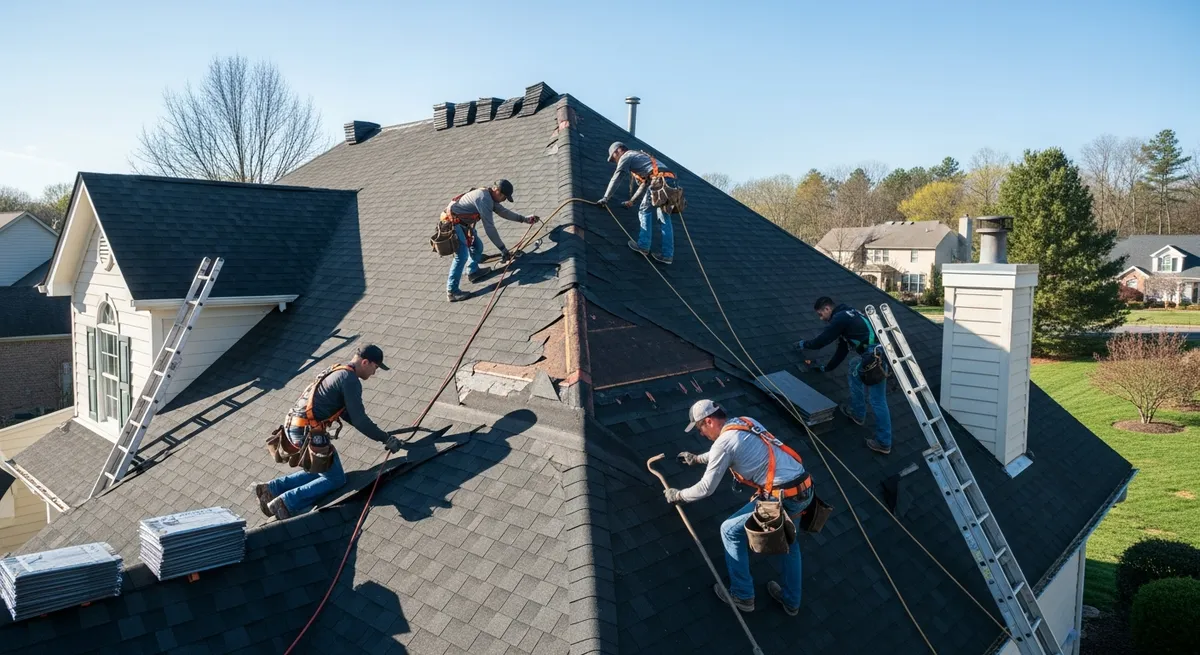
For a typical single-family home in Sterling with a standard asphalt shingle roof, a complete tear-off and replacement can usually be completed in a single day. The crew arrives early—typically between 7:00 and 8:00 in the morning—and begins by setting up protective tarps over landscaping, laying plywood or heavy tarps across walkways and driveways, and positioning the dumpster for debris removal. Material delivery is usually scheduled for the day before or early on the morning of the project so that shingle bundles, underlayment rolls, and flashing materials are staged and ready when the crew is prepared to begin.
The tear-off phase is the noisiest and most disruptive part of the process. Crews use specialized tools to strip the existing shingles, underlayment, and any deteriorated flashing from the roof deck, sending the debris down chutes into the dumpster below. This phase typically takes two to four hours depending on the size of the roof and the number of existing layers. If your home has two layers of shingles—which is common in older Sterling homes where a second layer was installed over the original—the tear-off takes longer and generates more debris, which is why the estimate should account for the number of layers being removed.
Once the deck is exposed, the crew inspects every square foot of sheathing for damage. This is the critical moment when hidden problems become visible—soft spots from water damage, mold growth on the underside of the plywood, sections of OSB that have delaminated due to moisture exposure, or areas where previous repairs were done improperly. If decking replacement is needed, the damaged sections are cut out and replaced with new plywood or OSB before the installation proceeds. A reputable contractor will photograph any decking damage, show it to you or send you the photos, and get your approval for additional work before proceeding. This is where the per-sheet contingency price in your estimate becomes relevant, and having that price agreed upon in advance eliminates stressful negotiations while your roof is open to the elements.
Installation begins with the underlayment, which is rolled out across the entire roof deck and fastened securely. Drip edge is installed along the eaves and rakes, ice-and-water shield membrane is applied in valleys and along the eave line, and starter strip shingles are positioned along the edges. The main field shingles are then installed from the eave upward, with each course overlapping the one below according to the manufacturer’s exposure specifications. Hip and ridge cap shingles are installed last, completing the waterproof envelope. Throughout this process, the crew installs step flashing at wall transitions, counter-flashing at chimneys, and new pipe boots at all plumbing vent penetrations.
Ridge ventilation is one of the final components installed, and it plays a critical role in the long-term performance of the roofing system. The crew cuts a slot along the ridge, installs the ridge vent material, and caps it with ridge shingles. This creates the exhaust point for the attic ventilation system, working in conjunction with soffit intake vents to maintain continuous airflow that removes heat and moisture from the attic space. If your existing soffit vents are blocked by insulation or debris—a common finding during Sterling roofing projects—the crew will clear them to ensure proper airflow balance.
Cleanup is the final phase and one of the most telling indicators of a contractor’s professionalism. The crew removes all debris from the roof surface, gutters, and surrounding property. Magnetic nail sweepers are run across the yard, driveway, sidewalks, and any paved areas to pick up stray fasteners. Protective tarps are removed, landscaping is inspected for damage, and the dumpster is scheduled for pickup. By the end of the day, your property should look better than it did that morning—with a brand-new roof overhead and no trace of the construction process below.
For larger homes, complex roof designs with multiple valleys and dormers, or projects that include structural repairs, the timeline may extend to two or three days. Your contractor should communicate this clearly in the estimate and provide a day-by-day plan so you know what to expect each morning. Weather is always a variable in outdoor construction, and a responsible contractor will have a contingency plan for rain delays that includes securing any exposed areas with tarps to protect the interior until work can resume. The key is that nothing should surprise you—a well-managed project is one where you know what is happening, when it is happening, and why.
After the project is complete, a final walkthrough with the project manager gives you the opportunity to inspect the finished work, ask questions about specific details, and receive your warranty documentation. This is also the time to confirm that cleanup is thorough, that all flashing and trim work meets your expectations, and that the completed roof matches the scope described in the estimate. A contractor who invests time in the final walkthrough is a contractor who takes pride in the finished product and values the relationship beyond the transaction. If you are ready to experience that level of care on your own project, our services page outlines everything Sterling Roofers offers across the Northern Virginia region.
Ready for a Sterling Roof Inspection?
Book a Sterling roof inspection with Sterling Roofers and get a written estimate with photos. Call us today at (703) 436-4445 or schedule your free consultation online.
Schedule Free Consultation