Roofing Company in Virginia: How to Choose the Right Team for Repairs and Replacements
Roofing Company in Virginia: How to Choose the Right Team for Repairs and Replacements
Key Takeaways
- All roofing contractors in Virginia must hold a DPOR Class A or B license — verify at the DPOR website before signing any contract
- Virginia law requires contractors to provide a written contract for jobs over $1,000 — refuse any contractor who declines to put terms in writing
- Manufacturer certification programs (GAF Master Elite, Owens Corning Preferred) signal installation quality and provide extended warranties
- Storm-chaser crews that appear after major weather events are often unlicensed or from out of state — research before hiring
- A written workmanship warranty separate from the material warranty is the mark of a contractor who stands behind their work
Virginia and Northern Virginia Roofing Needs
Choosing a roofing company in Virginia is one of those decisions that sounds straightforward until you actually start doing it. You search online, a wall of contractors appears, every single one claims to be the best, and suddenly you’re drowning in ads, reviews, and promises that all blend together. The reality is that finding the right roofer for your home is less about who shouts the loudest and more about who can demonstrate consistent quality, honest communication, and genuine knowledge of the region you live in. That’s what this guide is for—to cut through the noise and give you a clear framework for making a decision you won’t regret.
Sterling Roofers serves Northern Virginia and nearby Maryland communities across the DMV. We have spent years working on homes throughout the region, and we have seen the full spectrum of contractor experiences—from outstanding workmanship that lasts decades to shoddy installations that cost homeowners thousands in follow-up repairs. The patterns we’ve observed inform everything in this article, and our goal is to share that knowledge with you so that regardless of which roofing company in northern virginia you ultimately hire, you walk into the process informed and confident.
Virginia’s climate is central to understanding why your choice of roofer matters so much. The state sits in a transitional zone where summers are punishingly hot and humid, winters deliver ice storms and freeze-thaw cycles that test every fastener and seal on your roof, and spring and fall bring severe thunderstorms with damaging winds and occasional hail. Northern Virginia, in particular, takes the worst of each season in concentrated doses. The sheer variety of weather means that roofing materials are under constant stress, and the quality of the installation determines whether those materials hold up for their rated lifespan or start failing years ahead of schedule.
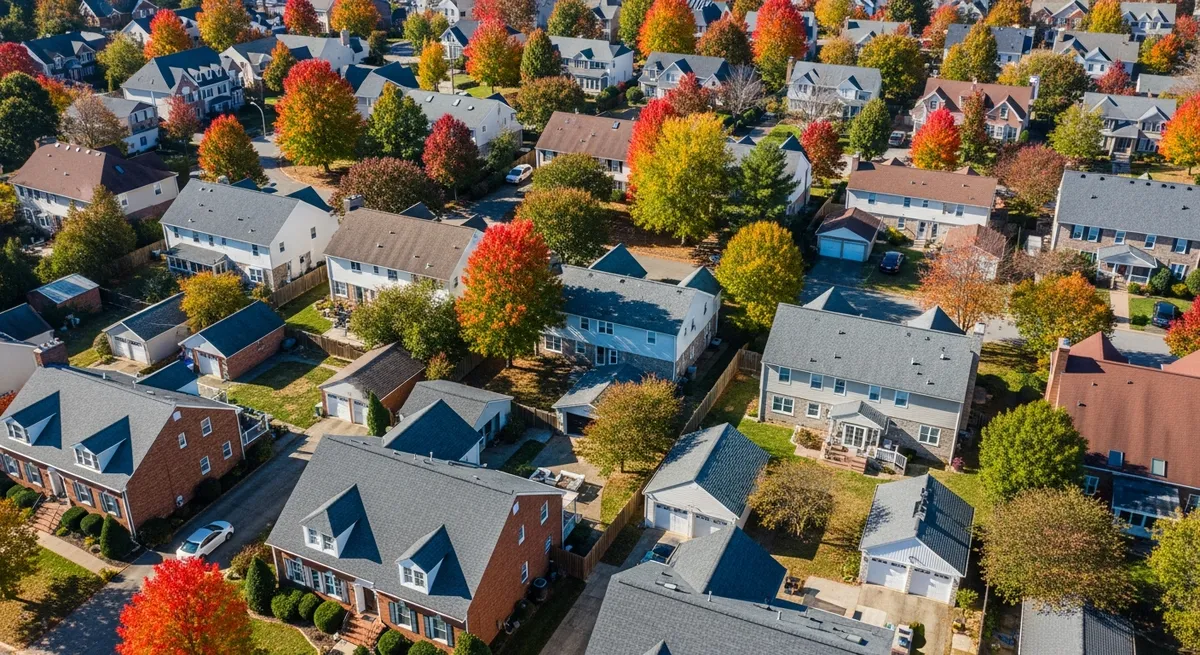
There is also a regional dimension that homeowners often overlook. A roofing company that primarily works in the Tidewater area or the Shenandoah Valley faces different conditions than one working in Fairfax, Loudoun, or Arlington counties. Soil composition, tree canopy density, building codes, HOA requirements, and even the age distribution of the housing stock all vary from region to region within Virginia. A contractor who understands Northern Virginia’s specific conditions will make better material recommendations, anticipate common problems before they develop, and navigate local permit processes without costly delays. That local expertise is difficult to replicate, and it’s one of the most important qualities to look for when choosing a roofing company in virginia.
This guide covers everything from the repair-versus-replacement decision to the cost factors that actually matter, along with practical steps for vetting any contractor you’re considering. We have written it as a conversation, not a textbook—because roofing decisions involve real money and real consequences, and you deserve clear, honest information delivered without the industry jargon that makes this topic harder than it needs to be. Whether your home is a colonial in McLean, a townhouse in Ashburn, or a rambler in Springfield, the principles here apply to you.
One theme you’ll see repeated throughout this guide is the importance of acting early. Roof problems are remarkably easy to ignore because they develop slowly, often out of sight. A few loose shingles become exposed decking. Exposed decking becomes saturated plywood. Saturated plywood becomes mold, rot, and eventually water stains on your ceiling. By the time most homeowners notice something is wrong, weeks or months of silent damage have already compounded behind the scenes. The earlier you catch an issue, the simpler and cheaper the fix. That principle applies whether you need a small roof repair in northern virginia or a complete northern virginia roof replacement.
Something else worth noting before we get into the details: the roofing industry in Northern Virginia has changed considerably over the past decade. Material costs have risen, labor markets have tightened, and the complexity of building codes has increased across most jurisdictions. These shifts mean that the process of hiring a roofer today looks different from what your parents or neighbors experienced even five or ten years ago. Staying current on what to expect—in terms of pricing, timelines, warranty structures, and contractor qualifications—puts you at a significant advantage during the evaluation and negotiation process.
Repair vs Replacement: A Simple Guide
One of the first questions every homeowner asks when something goes wrong with their roof is whether they should repair what they have or invest in an entirely new system. It’s a fair question, and the answer depends on a handful of factors that any reputable contractor should walk you through without pushing you toward the more expensive option.
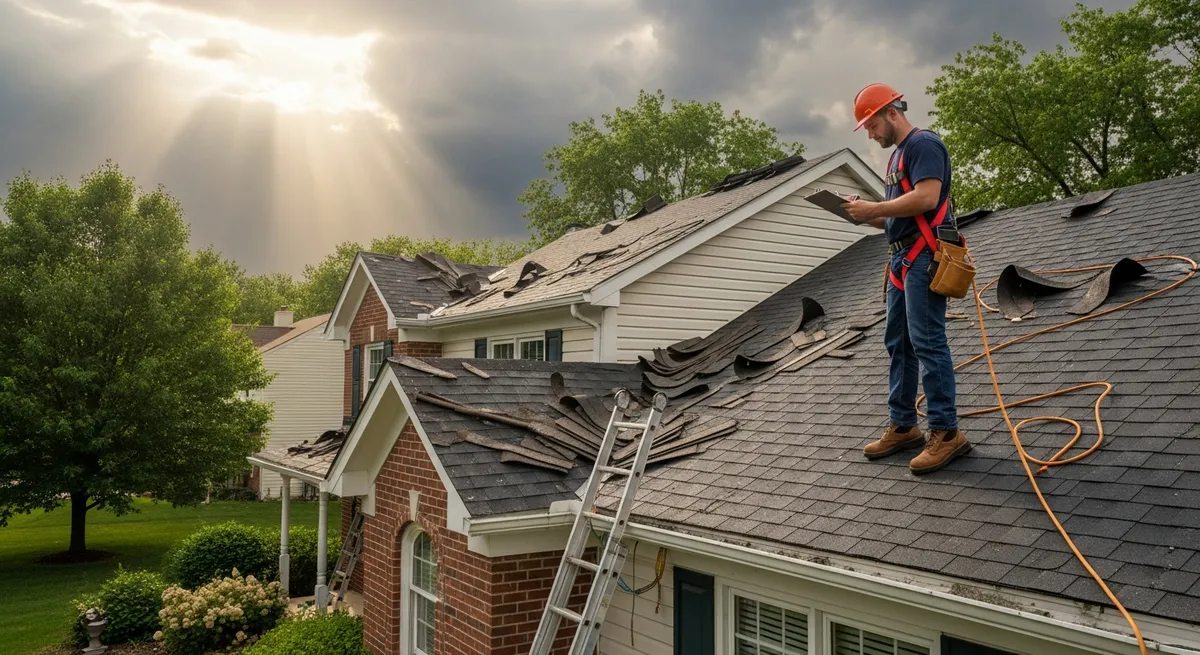
Roof repair northern virginia homeowners invest in makes sense whenever damage is localized. A windstorm that lifted a section of shingles on one slope, a tree branch that cracked a few courses of material, a leaking pipe boot that needs resealing—these are textbook repair scenarios. The damage has a clear boundary, the surrounding roof is healthy, and a targeted fix restores full protection without disturbing anything else. Repairs in this category typically cost a fraction of a replacement, can usually be completed in a day, and allow you to get more years out of your existing roof without compromise.
Replacement enters the conversation when the problems are systemic rather than isolated. If your roof is over 20 years old and you’ve already paid for several repairs over the last few years, each new fix is a patch on a surface that’s aging everywhere at roughly the same rate. A useful benchmark is the 30 percent rule: if the total cost of needed repairs exceeds 30 percent of what a new roof would cost, replacement generally offers better long-term value. You get a complete system with new materials, a fresh manufacturer warranty, modern underlayment and ventilation, and the confidence that comes from knowing every component was installed together as a cohesive system. For a detailed breakdown of what a new roof actually costs in this area, our roof replacement cost guide for Northern Virginia covers the numbers in depth.
There’s also a middle path that experienced contractors know well. Sometimes one slope of a roof is significantly more deteriorated than the others—usually the south-facing or west-facing slope that absorbs the most direct sunlight and takes the hardest weather hits. In those situations, a partial re-roof that replaces only the compromised slope while leaving the healthier sections intact can be a smart compromise. This approach isn’t always feasible—it depends on how the slopes tie together and whether matching materials are available from the same manufacturer—but when it works, it delivers most of the benefits of a full replacement at a meaningfully lower price point.
Age alone does not dictate the repair-or-replace decision. A well-maintained 22-year-old roof with proper ventilation may have several more reliable years ahead, while a 14-year-old roof that was poorly installed or sits over an inadequately ventilated attic might already be beyond economical repair. What matters is the actual condition of the roof at the time of inspection, which is why a thorough on-site evaluation—not a quick glance from the driveway—is essential before making any commitment. The best roofing company in northern virginia will present both repair and replacement options with honest cost comparisons and let you decide based on facts rather than pressure.
Insurance can also shift the math in unexpected ways. If your roof sustained damage from a covered event—hail, high winds, a fallen tree—your homeowner’s policy may cover a significant portion of the cost, sometimes enough to fund a full replacement even when you were only expecting to pay for repairs. Our storm and hail damage repair guide walks you through the claims process and explains how to work with your adjuster to ensure all legitimate damage is documented and included. Understanding your insurance claim options before committing to a path can save you thousands of dollars and a lot of stress.
One additional consideration that homeowners often miss: the hidden cost of repeated repairs goes beyond the invoices. Each time a crew works on your roof, there’s a small but real risk of collateral disturbance to the surrounding materials. Foot traffic on aging shingles can crack them, equipment placement can dent flashing, and every tear-off and re-application of sealant weakens the bond slightly over time. If you find yourself scheduling a repair every 12 to 18 months, the cumulative wear from the repair process itself may be accelerating the overall decline of the system. That pattern is a strong signal that a single, comprehensive replacement will ultimately cost less than continuing to patch.
What Drives Roof Replacement Cost in Northern Virginia
Cost is the elephant in every roofing conversation, so let’s address it head-on. Roof replacement cost northern virginia homeowners face depends on a combination of factors, and understanding each one puts you in a much stronger position to evaluate quotes and compare contractors on a level playing field.
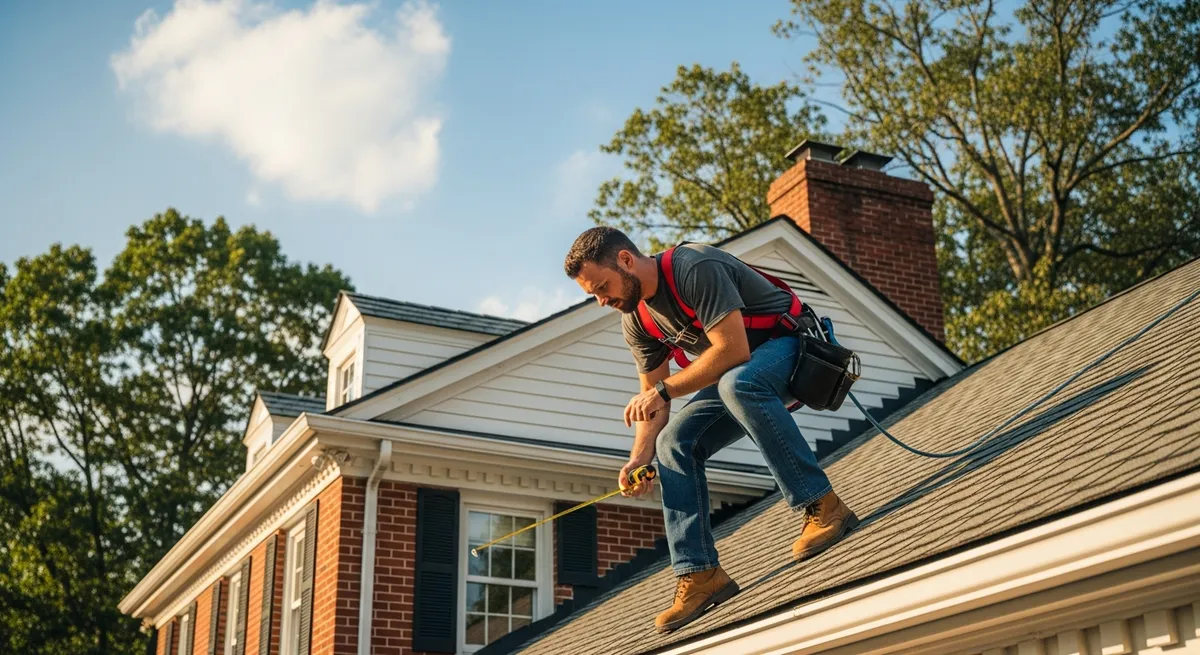
Roof size is the most obvious driver. Roofing is measured in “squares,” where one square equals 100 square feet of roof surface. A typical Northern Virginia single-family home has somewhere between 20 and 35 squares of roof area, though two-story colonials and homes with complex roof lines can exceed that range considerably. More squares means more materials and more labor hours, which translates directly into higher cost. Your contractor should measure the roof precisely—either through a physical measurement or a verified aerial assessment—and express the size in squares on your estimate so you can see exactly what you’re paying for.
Pitch, or the steepness of the roof, is the second major cost factor. Steeper roofs require additional safety equipment, slow down the pace of installation, and demand more physical effort from the crew. A low-slope roof that a crew can walk comfortably costs less per square to install than a steep 12/12 pitch that requires harnesses, toe boards, and roof jacks. Most Northern Virginia homes fall somewhere between a 4/12 and an 8/12 pitch, but there are plenty of exceptions, especially among custom builds and older architectural styles found in neighborhoods across Arlington, McLean, and Great Falls.
Material selection has a dramatic impact on the total price. Standard architectural shingles are the most popular choice in the region and offer an excellent balance of durability, appearance, and value. Premium designer shingles cost more but provide enhanced aesthetics, thicker profiles, and longer rated lifespans. Metal roofing sits at a higher price point initially but can last 40 to 50 years with minimal maintenance, making its lifetime cost competitive with shingles when you factor in the reduced frequency of replacement. Our materials page provides a deeper comparison of the options available and what each one brings to the table in terms of longevity and performance.
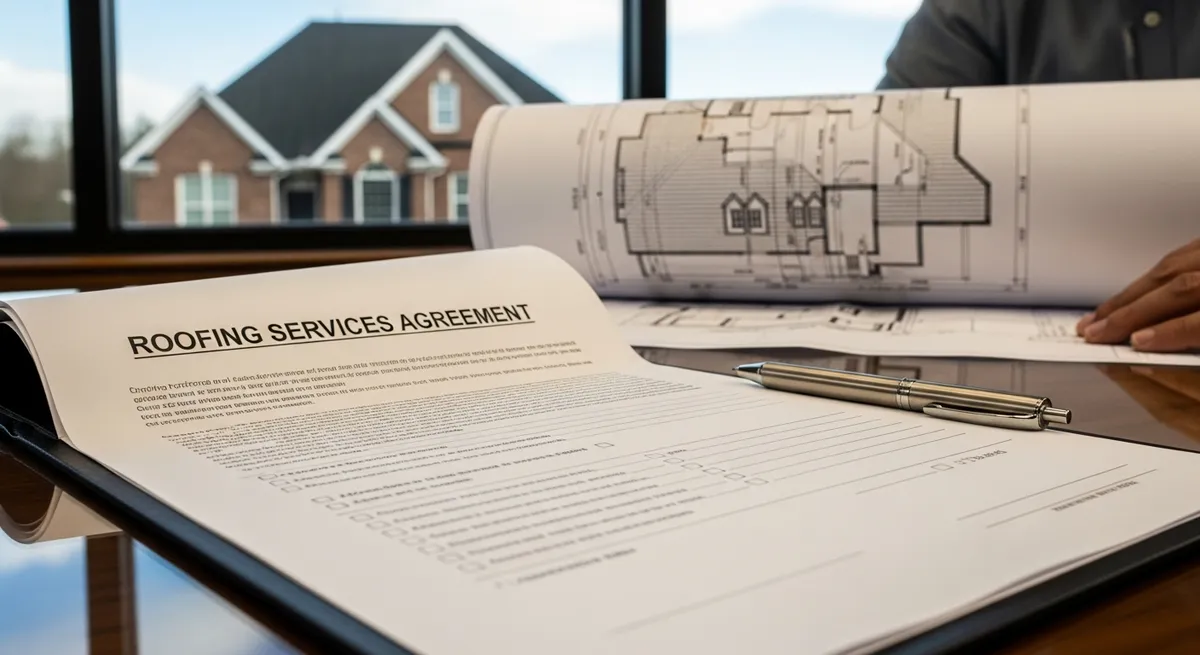
The condition of the decking beneath the existing roofing is a cost factor that many homeowners don’t anticipate. Once the old shingles and underlayment are removed, the plywood or OSB decking is exposed and inspected. If any sections have rotted, delaminated, or weakened from moisture exposure over the years, they must be replaced before the new roofing material goes on. Decking replacement adds cost per sheet, and it’s impossible to know the full extent of decking damage until tear-off is underway. A transparent contractor will have a clear change-order process for this situation, notifying you of additional work and cost before proceeding. Our roofing repair contract checklist explains exactly what your agreement should include to protect you from unexpected charges.
Other cost contributors include the number and type of penetrations on your roof—chimneys, skylights, and vent pipes all require custom flashing work that adds labor and material costs. Tear-off and disposal expenses for removing existing materials can vary depending on the number of layers being removed and local disposal fees. Permit costs imposed by your local jurisdiction are another line item, and they differ from county to county across Northern Virginia. Finally, any ventilation improvements recommended as part of the project will factor into the total price but typically pay for themselves through extended roof life and improved energy efficiency.
Geography within Northern Virginia also matters more than most homeowners realize. Labor rates, permit requirements, HOA regulations, and even disposal fees vary from one jurisdiction to the next. A project in Arlington may carry different permit requirements and associated costs than the same project in Loudoun County or Prince William County. A roofing company in northern virginia that works across the region regularly will be familiar with these jurisdictional differences and account for them accurately in your quote, whereas a company from outside the area may overlook details that lead to delays or unexpected expenses after the project has begun.
How to Vet a Roofing Company in Virginia
Now comes the most practical section of this guide: the specific steps you should take to evaluate any roofing company in virginia before you hand over a deposit or sign a contract. These steps are not complicated, but they are remarkably effective at separating trustworthy professionals from the contractors who look professional on the surface but cut corners where it matters most.
Start with licensing. Virginia requires contractors to hold a license issued by the Department of Professional and Occupational Regulation, commonly known as DPOR. There are three classes: Class A for projects exceeding $120,000, Class B for projects between $10,000 and $120,000, and Class C for projects under $10,000. Most residential roofing work falls under Class B, though some larger replacements or multi-scope projects may require Class A. You can verify any contractor’s license status on the DPOR website in about two minutes, and you should do this for every company on your shortlist. A contractor who cannot or will not provide a valid license number should be removed from consideration immediately, no matter how impressive their marketing materials look.
Insurance verification is equally important and takes only a few minutes. Your roofer must carry both general liability insurance and workers compensation coverage. General liability protects your property if the crew causes accidental damage during the project. Workers compensation protects you from financial liability if a worker is injured on your property—a scenario that is far more common in roofing than in most other trades due to the inherent risks of working at height. Ask for a current certificate of insurance and call the carrier to confirm the policy is active. Any legitimate roofing company in northern virginia will provide this documentation without hesitation or delay.
References matter more than aggregated star ratings. Ask each contractor for at least three references from projects completed in the past year, and actually call those references. Ask about communication throughout the project, adherence to the quoted timeline, quality of cleanup, whether the final result matched the initial proposal, and whether any surprise costs appeared during the work. Patterns in reference feedback are far more telling than a single five-star review or a lone complaint posted online. If a contractor hesitates to provide recent local references, that reluctance is itself a meaningful data point.
The estimate itself tells you a great deal about the company behind it. A professional estimate should be detailed enough that you can understand exactly what you’re paying for and compare it against proposals from other contractors on an apples-to-apples basis. It should list specific materials by brand and product line, quantities measured in roofing squares, labor costs separated from material costs, tear-off and disposal fees, permit expenses, the projected timeline, the payment schedule, and warranty terms for both materials and workmanship. An estimate that consists of a single number scribbled on a half-sheet of paper is not an estimate—it’s a warning sign that the company lacks either the professionalism or the transparency you need.
Communication quality during the evaluation phase is a strong predictor of the experience you’ll have throughout the project. A contractor who takes the time to inspect your roof in person, explain findings in language you actually understand, show you photos of problem areas, and present options rather than ultimatums is one who respects both your intelligence and your investment. Contractors who offer quotes based solely on a drive-by glance or satellite imagery are cutting corners before the project even begins. If they’re unwilling to climb on the roof or access the attic before giving you a number, the number they give you isn’t one you can rely on.
Look at how the company handles warranties. Every roofing material comes with a manufacturer warranty that covers defects in the product itself. But the workmanship warranty—issued by the installing contractor—covers labor-related failures, which are statistically more common than material defects. Five years of workmanship coverage is standard in the Northern Virginia market; many reputable firms offer ten years or longer. Anything shorter than five years raises a valid question about why the contractor isn’t willing to stand behind their own work for a reasonable period. Read the warranty language carefully, note what’s excluded, and confirm whether the manufacturer warranty requires the installer to hold any specific certifications to remain valid.
Payment structure is another telling indicator. The standard approach is a deposit of 10 to 30 percent upon signing the contract, with the balance due upon completion and your satisfaction with the finished work. Any contractor who demands full payment before the project begins, insists on cash-only transactions, or pressures you to pay before the work is finished is signaling a level of risk you should not accept. Always pay by check or credit card so there is a documented paper trail attached to every transaction. That trail becomes your strongest ally if something goes wrong.
Finally, trust your instincts about the relationship. A roofing company in virginia that makes you feel comfortable, answers your questions patiently, and doesn’t pressure you to sign today is usually a company that has earned enough business through reputation to operate without high-pressure tactics. Conversely, a contractor who creates artificial urgency, offers a “today-only discount,” or talks over your concerns is revealing a sales culture that rarely translates into quality craftsmanship on the roof. Visit our services page to learn about the full range of roofing solutions we provide, and explore our service areas to see the communities we serve throughout the region.
Your Next Step
At this point, you have a clear framework for evaluating any roofing company in virginia you’re considering. You understand the difference between repairs and replacements, you know what drives cost, and you have a checklist of qualities and credentials that separate professional contractors from those who simply own a truck and a nail gun. The question now is what to do with all of this information.
The most productive next step is a professional roof inspection. Whether you’ve noticed specific problems or simply want a baseline assessment of your roof’s current condition, an on-site inspection gives you the data you need to make informed decisions. A thorough inspector will evaluate the roof surface from above, check the attic from below, assess flashing and penetrations, document findings with photos, and walk you through the results in plain language. This process typically takes 30 to 60 minutes for a standard single-family home, and for most reputable contractors it’s offered free of charge.
If your roof is approaching the 15- to 20-year mark on standard asphalt shingles, or if you’ve noticed any of the warning signs discussed earlier—missing or curling shingles, granule loss collecting in the gutters, water stains on interior ceilings, or visible wear around flashing and penetrations—there’s no advantage to waiting. Every month that a developing problem goes unaddressed increases the scope of eventual repairs and the cost associated with them. The best time to catch a $400 fix is before it becomes a $4,000 headache.
Sterling Roofers has helped homeowners throughout Northern Virginia with every aspect of roofing—from minor leak repairs and routine maintenance to complete roof replacements and storm damage restoration. We bring the licensing, insurance, local expertise, and transparent communication that this guide recommends you look for in any contractor. We have built our reputation on delivering quality workmanship, standing behind our warranties, and treating every homeowner’s roof as if it were our own. If you’re ready to take the next step, we’re ready to earn your trust through the quality of our work.
Whether you need a roof repair northern virginia homeowners can count on, or you’re exploring what a northern virginia roof replacement would involve, the process starts with a conversation. Don’t let small problems become big ones. Don’t let uncertainty keep you from protecting your home. And don’t let a flashy ad convince you to skip the vetting process that separates a good experience from a costly mistake. The right roofing company is out there—you just need to know what to look for, and now you do.
If you have questions about anything covered in this guide, or if you’d like to talk through your specific situation with someone who knows the Northern Virginia market inside and out, give us a call. We’re happy to help, whether that means scheduling an inspection, explaining your options, or simply pointing you in the right direction. Good roofing starts with good information, and we hope this guide has given you plenty of it.
Request Your Free Virginia Roof Inspection
Request an inspection with Sterling Roofers and get a clear repair-or-replace plan for your Virginia home. Call us at (703) 436-4445 or book online to get started.
Schedule Free Inspection