Roof Repair Gaithersburg: Leak Signs, Repair Options, and Pricing Drivers
Roof Repair Gaithersburg: Leak Signs, Repair Options, and Pricing Drivers
Key Takeaways
- Maryland MHIC license is required for all roofing contractors in Gaithersburg — verify before allowing any work to begin
- Granule loss in gutters after a storm is an early indicator of shingle deterioration and should trigger an inspection
- Gaithersburg’s mix of townhomes and single-family homes means repair costs vary widely based on access and roof complexity
- Storm damage documentation with photos should be completed before repairs begin to support insurance claims
- Montgomery County permits are required for full replacements — a contractor who skips the permit creates homeowner liability
Why Roof Repair Pricing Varies So Much
If you have ever called two roofing contractors about the same problem and received quotes that were thousands of dollars apart, you are not alone. Roof repair pricing in Gaithersburg—and across the broader DMV region—varies more than almost any other home improvement category, and there are legitimate reasons for those differences that go beyond one company simply being more expensive than another. Sterling Roofers serves Northern Virginia and nearby Maryland communities across the DMV, and we believe homeowners deserve a clear explanation of what drives repair costs so they can evaluate quotes with confidence rather than defaulting to the cheapest number on the page.
The first and most obvious variable is the type and extent of the damage itself. A roof repair Gaithersburg project that involves replacing a handful of wind-damaged shingles on a single slope is a fundamentally different job than repairing a chronic leak that has rotted through the decking, compromised the underlayment, and allowed moisture into the attic framing. The first project might take a two-person crew three hours and cost a few hundred dollars in materials. The second could require a full day of tear-off, structural assessment, decking replacement, new underlayment installation, flashing work, and shingle replacement—a project that demands more labor, more material, and more expertise. Comparing these two scenarios on price alone is like comparing the cost of an oil change to a transmission rebuild; the numbers are different because the work is different.
Material costs add another layer of variability. Standard three-tab asphalt shingles are the least expensive option and remain common on older Gaithersburg homes, but architectural shingles—which are thicker, more durable, and carry longer warranties—have become the standard on most roofs installed in the past 15 years. Repairing an architectural shingle roof costs more per square foot than repairing a three-tab roof simply because the materials are more expensive. Specialty materials like metal roofing, synthetic slate, or cedar shake carry even higher material costs, and they require contractors with specific training and experience to repair properly. When you compare quotes, make sure each contractor is specifying the same material type and product line so you are evaluating apples to apples rather than a premium product against a budget alternative.
Roof pitch and accessibility are factors that homeowners often overlook but contractors always account for. A low-slope roof that a crew can walk across comfortably is faster and safer to work on than a steep 12/12 pitch that requires harnesses, roof brackets, and specialized staging. Steeper pitches slow the work pace, increase labor hours, and require additional safety equipment—all of which add to the project cost. Similarly, a roof that is easy to access with a standard extension ladder costs less to service than a roof on a three-story home or a roof surrounded by mature trees and landscaping that restrict equipment placement. These access-related cost differences are not arbitrary; they reflect real differences in the time, equipment, and risk involved in reaching and working on the repair area.
Timing and urgency influence pricing as well. Emergency gaithersburg roof repair calls during an active storm or immediately after severe weather carry a premium because the contractor is mobilizing crews outside normal scheduling, often during evenings or weekends, to prevent further damage to your home. Planned repairs scheduled during slower periods—typically late fall and early winter in the Gaithersburg market—are generally more affordable because contractors have more availability and can sequence the work efficiently. If your repair is not an emergency, scheduling it during a less-busy period can reduce costs without compromising quality.
Finally, contractor overhead and business structure affect pricing in ways that are not always visible in the line items. A fully licensed and insured contractor with a permanent office, trained employees on payroll, workers compensation coverage, and manufacturer certifications has higher operating costs than a solo operator working out of a pickup truck with no insurance and no overhead. Those higher costs translate to higher prices, but they also translate to accountability, warranty backing, regulatory compliance, and the financial stability to stand behind their work years after the project is complete. Understanding these cost drivers does not make the sticker shock disappear, but it does help you evaluate quotes more intelligently and avoid the trap of choosing the cheapest option only to pay more in the long run when problems resurface.
Top Cost Drivers Homeowners Can Understand
Beyond the broad categories of damage type, materials, and accessibility, several specific cost drivers deserve attention because they show up in almost every roof repair Gaithersburg MD project and directly affect your bottom line. Understanding these factors puts you in a stronger position when reviewing estimates and asking contractors to explain their pricing.
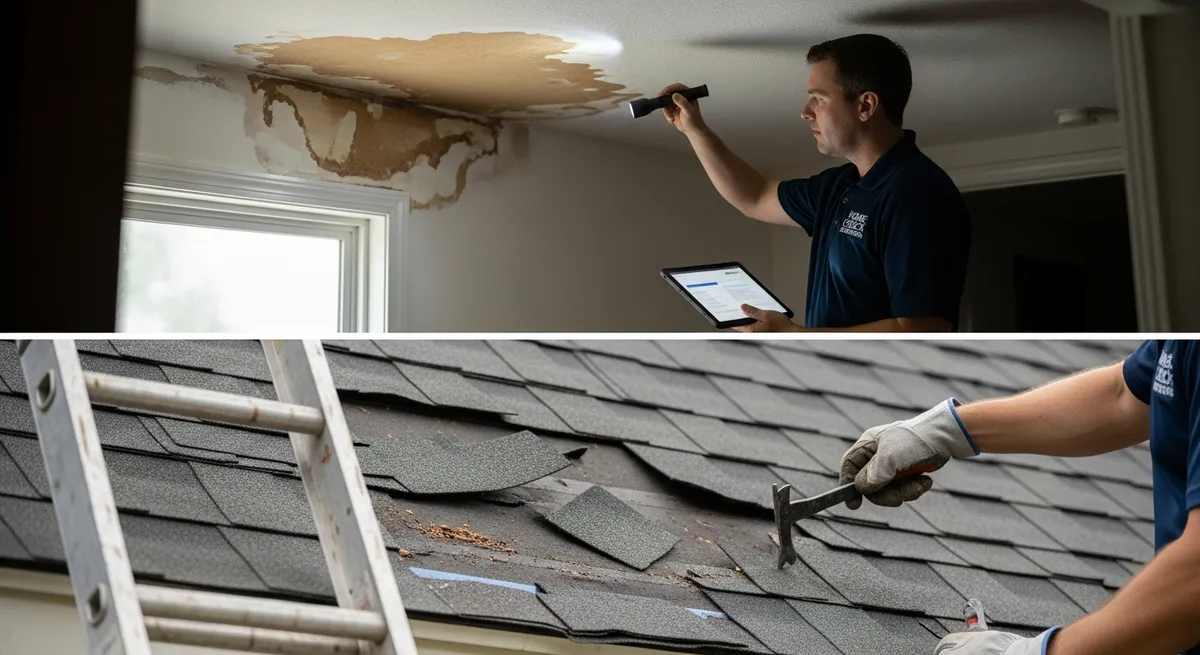
Decking condition is the single biggest wildcard in any roof repair budget. Shingles are the visible outer layer, but they rest on plywood or OSB sheathing that serves as the structural substrate for the entire roofing system. When a leak persists for weeks or months before being discovered—which is common because water stains on ceilings are a late-stage symptom, not an early warning—the decking beneath the leak absorbs moisture, swells, and eventually rots. A contractor may quote a shingle repair at $600 based on what they can see from the surface, only to discover during tear-off that two or three sheets of decking need replacement, adding $300 to $600 to the project. This is not padding or upselling; it is a genuine cost that cannot be accurately predicted until the existing materials are removed and the substrate is exposed. Reputable contractors handle this through a clear change-order process where they contact you with photos of the damage and a cost estimate before proceeding with the additional work.
Flashing complexity is another significant cost driver. Simple flashing repairs around a standard plumbing vent or exhaust pipe are relatively quick and inexpensive because the geometry is straightforward. Chimney flashing, by contrast, involves multiple components—step flashing along the sides, counter-flashing embedded in the mortar joints, a cricket or saddle behind the chimney to divert water, and sealant at every intersection—and replacing it properly requires metalworking skills, patience, and a thorough understanding of water management principles. Skylight flashing falls somewhere in between, depending on the skylight’s size and whether the existing curb and frame are in good condition. When evaluating repair quotes, pay attention to how much detail the contractor provides about flashing work, because cutting corners on flashing is one of the most common causes of repeat leaks that lead to callbacks and additional repair costs. For a deeper understanding of how material choices affect roofing projects, our materials page provides a comprehensive overview.
The number of penetrations on your roof—the plumbing vents, exhaust fans, HVAC curbs, satellite dish mounts, and other objects that pass through the roof surface—directly affects repair complexity and cost. Each penetration is a potential failure point because the waterproof seal around it is subjected to the same UV exposure, temperature cycling, and wind stress as the rest of the roof, but in a much smaller and more vulnerable area. Homes with numerous penetrations, which is common in Gaithersburg subdivisions where builders added multiple bathroom vents, kitchen exhausts, and HVAC supply lines, require more individual inspection and repair attention than simpler roof designs with fewer through-roof elements.
Valley condition is another factor that can significantly affect repair costs. Valleys—the V-shaped channels where two roof slopes meet—are the highest-volume water management features on any roof, and they are among the first areas to show wear. A valley that has been damaged by debris accumulation, ice dam formation, or simply worn through its protective layers over time requires careful repair that typically involves removing shingles from both adjacent slopes, installing new ice-and-water shield underlayment, and weaving or cutting new shingle courses to restore watertight integrity. Valley repairs are more labor-intensive than flat-field shingle replacement because the geometry demands precision and the consequences of a poor repair are amplified by the volume of water that flows through the area during every rainfall.
Permit and inspection costs are a final factor that some contractors include in their estimates and others treat as separate line items. Montgomery County requires permits for certain types of roofing work, and the permit process includes plan review and inspection fees that get passed through to the homeowner. Whether these costs appear as a separate line in the estimate or are rolled into the total price, they are a real expense that should not come as a surprise. Ask each contractor how they handle permitting so you can compare total project costs accurately across multiple proposals.
What’s Included in a Good Repair Quote
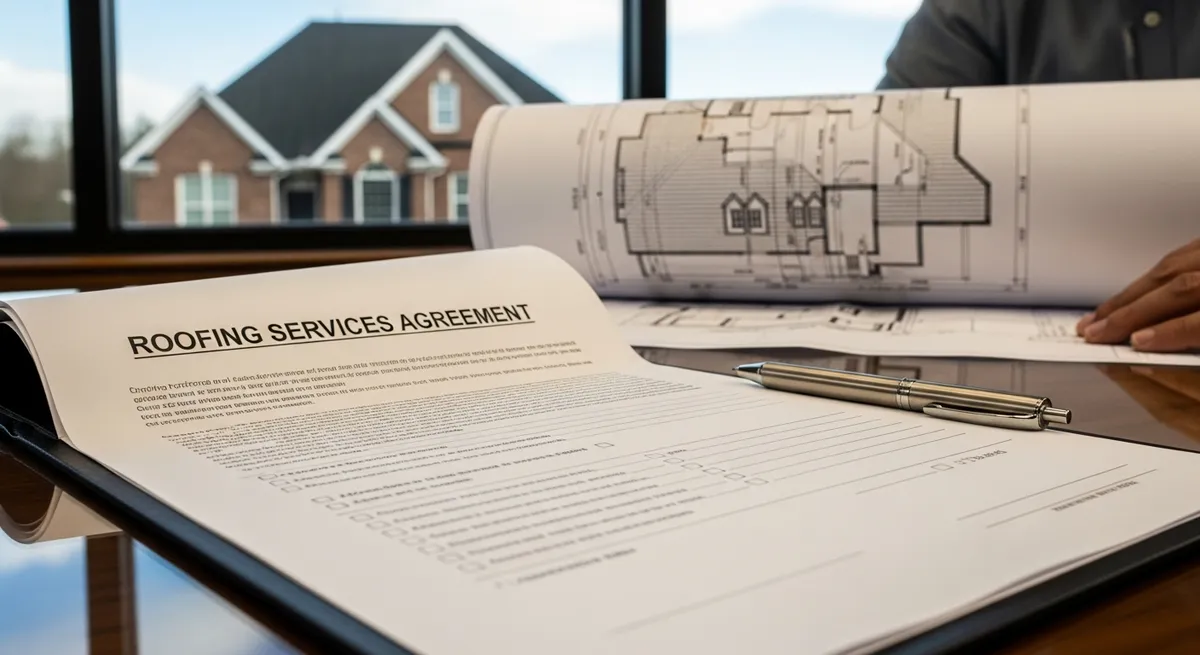
A good repair quote is more than a number on a piece of paper—it is a detailed roadmap that tells you exactly what work will be performed, what materials will be used, how long the project will take, and what protections you have if something does not go according to plan. Understanding what a thorough quote should contain helps you identify proposals that are missing critical information and gives you leverage to ask the right questions before committing to a contractor.
The scope of work should be described in specific, unambiguous language. Rather than “repair leak in kitchen area,” a proper quote should say something like “remove existing shingles and underlayment in a 10-by-12-foot area around the identified leak point, inspect decking for damage, replace up to two sheets of 7/16-inch OSB if needed, install synthetic underlayment, and re-shingle with GAF Timberline HDZ architectural shingles in Charcoal color to match existing roof.” That level of specificity leaves no room for misunderstanding about what you are paying for, and it gives you a clear basis for evaluating whether the completed work matches the proposal. Any roof repair Gaithersburg contractor worth hiring should be willing to provide this level of detail.
Materials should be specified by manufacturer, product name, and color rather than generic descriptions. “New shingles” is not sufficient—you need to know the specific product so you can verify that the materials installed match what was promised and so you have the information needed to file a manufacturer warranty claim if a material defect surfaces later. The same applies to underlayment, flashing metal, sealants, and fasteners. These are not trivial details; they are the components that determine how long your repair will last and how well it will perform under the weather conditions that Gaithersburg throws at rooftops year after year.
A change-order clause is essential because roofing projects frequently uncover conditions that were not visible during the initial inspection. The most common surprise is damaged decking beneath the shingle layer, but hidden flashing failures, deteriorated underlayment, and compromised framing members can also appear once existing materials are removed. Your quote should include a clear process for how these discoveries will be handled: the contractor should stop work, document the finding with photos, present you with the additional cost and scope, and receive your approval before proceeding. Without this clause, you risk either paying for work you did not authorize or having a contractor skip necessary repairs to stay within the original budget—both outcomes that leave your home worse off. Our roofing repair contract checklist covers every element that should appear in your agreement.
Payment terms should be spelled out clearly and should never require full payment upfront. A standard payment structure for residential roof repairs in the Gaithersburg market is a deposit of 10 to 30 percent at contract signing, with the balance due upon completion and your satisfaction with the work. Some contractors offer financing through third-party lenders, which can be helpful for larger repairs that stretch the household budget. If you are interested in payment flexibility, our financing page outlines the options available through Sterling Roofers.
The quote should also include warranty information for both materials and workmanship, the projected start and completion dates, cleanup expectations, and contact information for the project manager who will oversee the work. A complete quote demonstrates that the contractor has thought through the entire project, anticipates potential complications, and is committed to delivering a result that meets your expectations. If a quote you receive is missing any of these elements, ask for them to be added before you sign—what a contractor is willing to put in writing tells you a great deal about how they will perform once the work begins.
Ways to Reduce Cost Without Cutting Corners
Nobody wants to overpay for roof repairs, but the cheapest option is rarely the best value when you are protecting the most important structure on your home. The good news is that there are several legitimate strategies to manage gaithersburg roof repair costs without compromising the quality of the work or the longevity of the result.
Timing your repair strategically is one of the easiest ways to reduce cost. The roofing industry in Maryland and Northern Virginia follows a seasonal demand curve, with the highest volume of work occurring between late spring and early fall when weather is most cooperative and homeowners are most motivated to address visible problems. Contractors during peak season have full schedules, limited flexibility, and less incentive to compete aggressively on price. If your repair is not an emergency—if you have identified a problem through a proactive inspection rather than discovering it during an active leak—scheduling the work during the slower months of late fall or winter can yield meaningful savings. Crews are more available, scheduling is more flexible, and some contractors offer off-season pricing to keep their teams working through the quieter months.
Bundling related work into a single project is another cost-effective approach. If your roof needs shingle repair on one slope and flashing replacement around the chimney, having both items addressed during the same project visit eliminates the duplicate setup, mobilization, and cleanup costs that come with scheduling them as separate jobs. The same logic applies to combining roof repairs with gutter maintenance, ventilation upgrades, or pipe boot replacement—the incremental cost of adding these items to an existing roofing project is significantly lower than the cost of scheduling each as a standalone service call. Ask your contractor to identify all repair-worthy items during their inspection so you can evaluate the cost savings of addressing everything at once versus spreading the work across multiple visits.
Investing in preventive maintenance is the most effective long-term cost reduction strategy, even though it requires spending money before a problem exists. Cleaning gutters twice a year, trimming tree branches that overhang the roof, and scheduling a professional inspection every two to three years catches small issues while they are still inexpensive to fix and prevents the cascade of secondary damage that turns a $400 shingle repair into a $4,000 decking and structural project. Homeowners who maintain their roofs proactively spend less on roofing over the life of their home than homeowners who wait for emergencies, even though the maintenance costs add up incrementally. It is the same principle that applies to changing your car’s oil regularly versus waiting for the engine to seize—the small, scheduled investment prevents the catastrophic expense.
Understanding your insurance coverage before you need it is another way to manage costs effectively. If your roof sustains damage from a covered event—hail, wind, a fallen tree, or other weather-related causes—your homeowner’s policy may cover a significant portion of the repair cost. However, navigating the claims process requires documentation, timeliness, and a contractor who knows how to work with insurance adjusters. Our insurance claims page explains how to document damage, file a claim, and work with your contractor and adjuster to ensure all legitimate damage is included in the settlement. Knowing this process before an emergency strikes puts you in a much stronger position to recover repair costs that your policy is designed to cover.
Finally, getting multiple estimates and comparing them on equal terms helps you identify fair pricing without defaulting to the lowest bid. Three estimates from licensed, insured contractors using comparable materials and scopes of work give you a reliable pricing range for your specific project. If one quote is significantly lower than the others, dig into the details to understand why—it may reflect a less comprehensive scope, lower-grade materials, or missing warranty coverage rather than genuine cost savings. The goal is not to find the cheapest contractor; it is to find the best value, which means quality work at a fair price backed by a warranty that means something.
When Repairs Stop Making Sense
There comes a point in every roof’s life when continued repair becomes more expensive and less effective than starting fresh with a replacement. Recognizing that inflection point saves you from pouring money into a system that has reached the end of its useful life and will continue to generate problems regardless of how many individual fixes you apply. Understanding when roof repair Gaithersburg MD projects cross the line from sensible maintenance into diminishing returns is one of the most valuable pieces of knowledge a homeowner can have.
The most reliable indicator that repairs are no longer cost-effective is the frequency and cost trajectory of the repairs themselves. If you have called a roofer two or three times in the past 18 months for different problems on the same roof—a leak here, missing shingles there, flashing failure somewhere else—those separate issues are symptoms of a roof that is failing systemically rather than experiencing isolated incidents. Each individual repair may seem reasonable in isolation, but the cumulative cost and disruption add up quickly. Track your repair invoices over time, and when the rolling total approaches or exceeds the 30 percent threshold of a new roof’s cost, the math starts favoring replacement decisively.
Age is a contributing factor, though not the sole determinant. Standard architectural shingles in the Gaithersburg climate typically deliver 20 to 25 years of reliable service, while three-tab shingles may begin showing significant wear at 15 to 18 years. If your roof is within a few years of its expected lifespan and you are already dealing with recurring problems, the remaining useful life does not justify major repair investments. On the other hand, a well-maintained roof with good ventilation might exceed its expected lifespan by several years, so age alone should not drive the decision—it needs to be evaluated alongside the roof’s actual physical condition.
Structural concerns elevate the urgency of the replacement conversation significantly. If any section of your roofline appears to sag, dip, or deviate from a straight plane, the underlying decking or rafters may be compromised by prolonged moisture exposure. Sagging does not happen overnight—it is the result of sustained water damage over months or years—and it indicates that the problem has progressed beyond what surface-level repairs can address. A structural assessment from a qualified contractor or engineer will determine whether targeted reinforcement can resolve the issue or whether a full tear-off with structural repairs and new roofing is the only responsible path forward.
Energy costs can also signal that your roof has reached the end of its effective life. As shingles lose their granule coating and underlayment degrades, the roof’s ability to reflect heat and provide thermal insulation diminishes. Homeowners with aging roofs often notice increasing cooling costs during Gaithersburg’s humid summers because the attic is absorbing and retaining more heat than it did when the roofing materials were new. While insulation and ventilation improvements can mitigate some of this effect, a roof that has lost significant granule coverage is fundamentally less effective as a thermal barrier, and replacement with modern materials that carry higher reflectivity and better insulation compatibility is the only comprehensive solution.
If you are weighing repair against replacement, the best step is to get an honest assessment from a contractor who will present both options with transparent pricing. A trustworthy contractor will not push you toward the more expensive option if repair is genuinely the better value, and they will not recommend continued patching when the numbers clearly favor replacement. Our roof replacement cost guide provides a detailed breakdown of what full replacement involves and what you can expect to invest, giving you a clear basis for comparison against your accumulated repair costs.
Your Next Step
Roof repair decisions are personal because they involve your home, your budget, and the safety and comfort of your family. Every roof tells a different story, and the right approach depends on the specific conditions, history, and goals that define your situation. What stays constant across every scenario is the importance of acting promptly when you discover a problem, choosing a licensed and insured contractor who communicates clearly, and making decisions based on thorough inspections and transparent estimates rather than guesswork or pressure. Sterling Roofers brings over 15 years of experience to every project we take on across Northern Virginia and Maryland, including Gaithersburg and the surrounding Montgomery County communities. Whether you need a focused repair, a comprehensive inspection to understand the current state of your roof, or an honest evaluation of whether the time has come for a full replacement, we are here to provide the clarity and craftsmanship your home deserves. If your roof is showing signs of trouble, the smartest move is to address it now—before the next storm turns a manageable repair into an expensive emergency.
Get a Gaithersburg Leak Diagnosis from Sterling Roofers
Avoid repeat repairs with a thorough inspection and honest assessment. Call us at (703) 436-4445 or schedule online to get started.
Schedule Free Inspection