Roof Repair Falls Church VA: Common Leak Causes and What to Do Next
Roof Repair Falls Church VA: Common Leak Causes and What to Do Next
Key Takeaways
- Falls Church’s mature tree canopy is a leading cause of shingle abrasion, debris accumulation, and gutter overflow leaks
- Virginia DPOR Class A or B license is the legal minimum for roofing contractors in Falls Church — verify before signing
- Interior water stains are a late indicator of roof damage — by the time staining appears, the leak has often been active for months
- Falls Church homes with flat or low-slope sections require membrane inspection, not just shingle evaluation
- Temporary patching buys time but does not restart or extend the original manufacturer warranty
Falls Church is one of Northern Virginia’s most established residential communities, and the homes here reflect decades of history, character, and investment. If you are dealing with a roof leak, missing shingles, or storm damage and searching for roof repair falls church va solutions, this guide was written to help you understand what is happening with your roof, what your options are, and how to take the right next step without feeling pressured or overwhelmed. Sterling Roofers serves Northern Virginia and nearby Maryland communities across the DMV, and we have worked on hundreds of roofs in Falls Church and the surrounding area. We know the specific challenges these homes face, and we want to share that knowledge so you can make informed decisions about one of the most important components of your home.
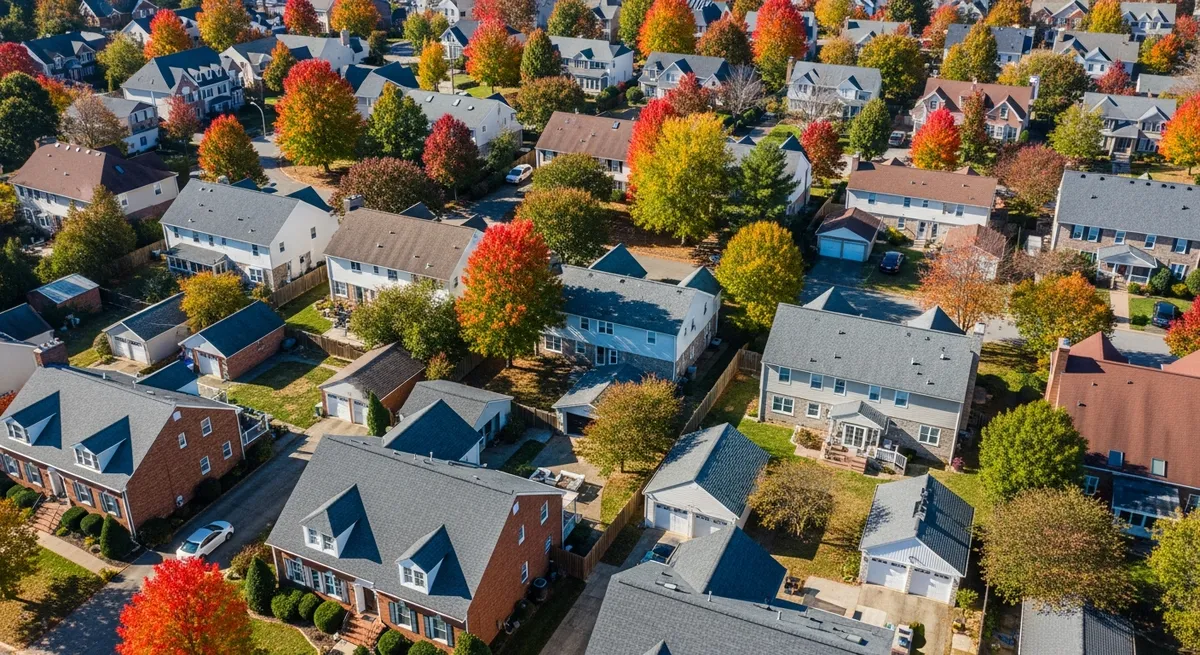
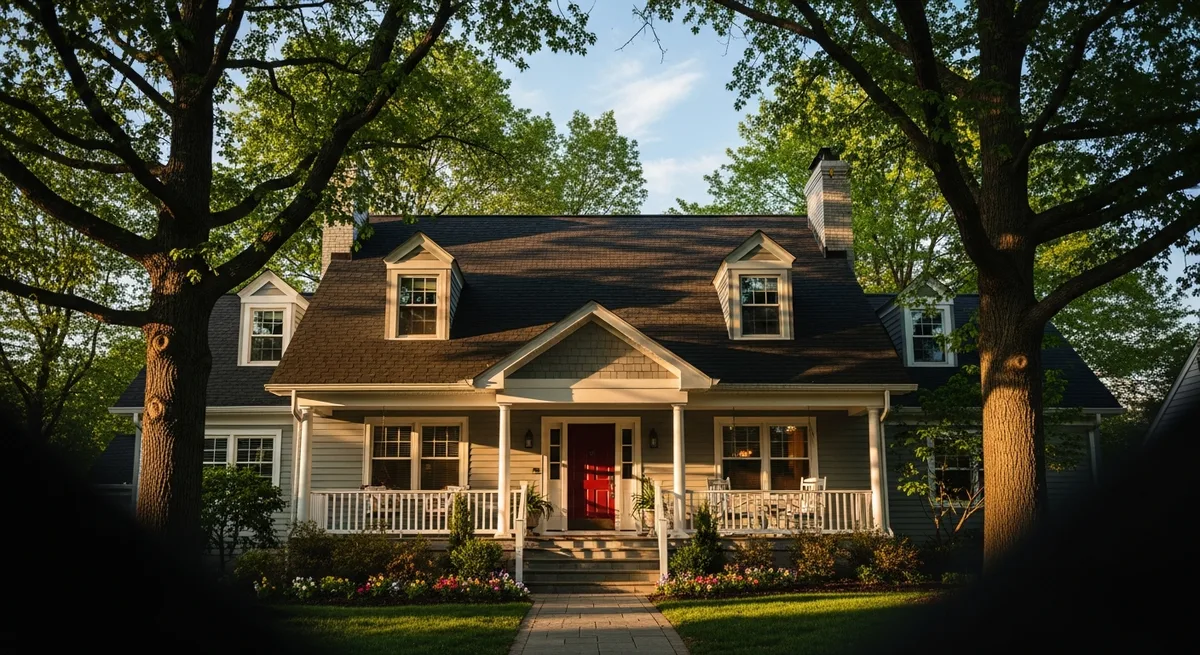
Falls Church’s housing stock is remarkably diverse. The city and the surrounding unincorporated areas of Fairfax County include everything from mid-century ranches and Cape Cods built in the 1940s and 1950s to split-levels from the 1960s and 1970s, colonial revivals from the 1980s, and modern infill construction that has reshaped entire blocks in recent years. Each style brings its own roofing geometry, material choices, and vulnerability patterns. A flat-roofed mid-century addition has completely different repair needs than a steeply pitched colonial, and a contractor who understands these differences is far better equipped to diagnose problems accurately and recommend solutions that actually work.
The climate in Falls Church adds urgency to every roofing decision. The area experiences the full range of Mid-Atlantic weather—humid summers that push attic temperatures past 130 degrees, cold winters with repeated freeze-thaw cycles, spring and fall storms that deliver high winds and heavy rain, and occasional ice events that test every seal and fastener on the roof. These conditions accelerate the aging of roofing materials and create opportunities for water intrusion at every weak point in the system. Understanding what causes leaks in this specific climate helps you catch problems early and avoid the kind of emergency situations that disrupt your life and drain your budget. Roof repair falls church homeowners need most often involves issues that developed gradually over months or years before finally becoming visible as an interior stain or drip.
This guide covers the roofing problems Falls Church homeowners encounter most frequently, how to determine whether a repair or replacement is the right path, what a proper estimate should contain, how to evaluate contractors without stress, and what to expect when the crew arrives. By the time you finish reading, you will have the knowledge and confidence to manage any roofing situation your home throws at you.
Falls Church Roofing Problems Homeowners See Most
The roofing problems that show up most frequently in Falls Church are shaped by the area’s climate, the age of the housing stock, and the dense tree canopy that makes the community so appealing. Knowing what to look for gives you a significant advantage in catching issues before they escalate into expensive emergencies.
Flashing failures are the single most common cause of roof leaks in Falls Church homes. Flashing is the thin metal material installed at every transition point on your roof—around chimneys, at vent pipe penetrations, along wall-to-roof junctions, in valleys where two slopes meet, and around skylights. Over time, the sealant that bonds flashing to adjacent surfaces dries out and cracks due to thermal expansion and contraction, creating gaps that allow water to enter the structure during rain. Chimney flashing is especially vulnerable in Falls Church’s older homes because the mortar joints in the masonry can deteriorate independently, undermining the counter-flashing installation even when the flashing itself is intact. If you have noticed a water stain on the ceiling near your chimney, along a wall that borders a roof transition, or around a skylight, flashing failure is the most probable cause.
Wind damage is the second most frequent issue roof repair falls church va contractors address. Falls Church’s position in the inner Northern Virginia suburbs means it is exposed to the full force of storm systems that move through the region, and gusts during spring and summer thunderstorms regularly exceed 50 miles per hour. That wind force is sufficient to lift shingle edges that have lost their adhesive bond, crack ridge cap shingles that have become brittle with age, and tear starter strips away from eaves. One of the most insidious forms of wind damage is the shingle that lifts, breaks its seal, and settles back into place. From the ground, it looks perfectly normal, but the broken seal allows wind-driven rain to penetrate beneath the shingle during the next storm. Only a professional inspection—ideally conducted from the roof surface rather than the ground—can reliably detect this kind of hidden vulnerability.
Pipe boot failures are a sneaky and often overlooked source of leaks. Every plumbing vent that exits through your roof is surrounded by a rubber or neoprene boot that seals the gap between the pipe and the surrounding shingles. These boots have a limited lifespan—typically 10 to 15 years—and when the rubber cracks and pulls away from the pipe, it creates a direct opening for water to enter the attic. Because pipe boots are small and located in inconspicuous areas of the roof, homeowners rarely notice the failure until a leak appears on the ceiling directly below. Replacing failed pipe boots is one of the simplest and least expensive roof repairs, and it is one of the most effective ways to prevent interior water damage. A thorough roof inspection should always include a close examination of every pipe boot on the roof.
Granule loss is the gradual, cumulative problem that eventually affects every asphalt shingle roof. The ceramic granules embedded in the shingle surface serve as the primary defense against ultraviolet radiation, and as they wear away over time, the underlying asphalt layer becomes exposed to direct sunlight. That exposure causes the asphalt to dry out, crack, and curl, compromising the shingle’s ability to shed water and withstand wind. You can monitor granule loss by checking your gutters and downspout discharge areas for accumulations of gritty, sand-colored material. Some shedding is normal during the first year after installation, but persistent heavy granule loss on a roof that is more than five years old indicates that the shingles are aging faster than expected and a professional evaluation is warranted.
Moss, algae, and lichen growth are common on Falls Church roofs because the community’s mature tree canopy creates extensive shaded areas where biological organisms thrive. Algae appears as dark streaks across the roof surface and, while primarily cosmetic, can reduce the reflective properties of lighter-colored shingles and increase heat absorption. Moss is a more serious concern because its root structures penetrate beneath shingle edges, lifting them and holding moisture against the roof surface. That moisture accelerates shingle deterioration and creates conditions where freeze-thaw damage is more likely during winter. Lichen, a combination of algae and fungus, forms crusty patches that are particularly difficult to remove without damaging the shingle surface. Managing biological growth through zinc or copper ridge strips, periodic professional cleaning, and strategic tree trimming is an important part of maintaining a healthy roof in Falls Church’s humid, shaded environment.
Ice dams affect Falls Church homes during winters with significant snowfall followed by temperature fluctuations. When warm air from the living space rises into a poorly insulated attic, it heats the roof deck from below, melting snow on the upper slopes. The meltwater runs down toward the eaves, where the roof extends beyond the exterior wall and is no longer warmed from below. The water refreezes at the eave, forming an ice dam that blocks subsequent meltwater from draining off the roof. That trapped water backs up under the shingles and into the structure, causing damage to decking, insulation, and interior finishes. Homes with complex rooflines, multiple dormers, and cathedral ceilings are especially susceptible because they have more opportunities for heat to bypass the insulation envelope and reach the roof deck.
Valley and low-slope leaks round out the most common issues in Falls Church. Roof valleys—the internal angles where two slopes meet—concentrate water flow and are vulnerable to debris accumulation, flashing failure, and shingle wear. Low-slope sections, which are common on additions, sunrooms, and covered porches in Falls Church’s older homes, shed water more slowly than steep slopes and are more susceptible to standing water, ice dam formation, and wind-driven rain penetration. These areas require specialized materials and installation techniques, including modified bitumen or single-ply membrane roofing on very low slopes, to perform reliably over time.
Signs You Need Repairs vs a Full Replacement
The repair-versus-replacement decision is one of the most consequential choices a homeowner faces, and getting it right saves you money, time, and stress in the long run. A contractor who always pushes replacement regardless of the situation is not looking out for your best interest, and neither is one who keeps patching a roof that genuinely needs to be replaced. The right answer depends on the specific conditions of your roof, and understanding the factors involved puts you in a strong position to evaluate the recommendations you receive.
Repair is the appropriate choice when the damage is localized, the surrounding roof area is in solid condition, and the roof has a meaningful amount of useful life remaining. A handful of wind-damaged shingles on one slope, a leaking pipe boot, a deteriorated section of chimney flashing, or a small area of impact damage from a fallen branch are all problems that a skilled contractor can fix without affecting the rest of the roof. If your roof is less than 15 years old and the issue is confined to a specific area, a properly executed repair will restore full weather protection and should last for the remaining lifespan of the surrounding materials. Roof repair falls church homeowners request most often falls into this category—targeted fixes that address specific vulnerabilities without the cost and disruption of a full replacement.
Replacement becomes the more practical and economical option when problems are widespread, when the cost of ongoing repairs is approaching a significant percentage of a new roof’s price, or when the roof has reached the end of its expected service life. Most three-tab shingle roofs in Northern Virginia last 18 to 22 years, while architectural shingles can last 25 to 35 years with proper ventilation and maintenance. If your roof is approaching or past these benchmarks and you are seeing granule loss across multiple slopes, widespread curling or cracking, persistent leaks that return after repairs, or visible daylight through the decking from the attic, replacement is almost certainly the better investment.
Structural indicators take the decision out of purely financial territory and into safety and integrity concerns. If an inspection reveals soft spots in the roof decking, mold growth on the underside of the sheathing, sagging along the ridge line, or evidence that previous repairs were done improperly, these findings indicate problems that extend beyond the surface layer and require removing the existing roofing to address. Once the roof is stripped to the deck, installing new roofing is the only practical path forward. A trustworthy contractor will show you photographic evidence of structural issues, explain what caused them, and walk you through the repair-versus-replacement analysis in terms you can understand.
The cumulative cost analysis is a practical tool that helps many homeowners make this decision with confidence. Add up what you have spent on roof repairs over the past five years and project what the next three to five years of maintenance and repair would likely cost. If that total exceeds 30 to 40 percent of a new roof’s price, the financial argument for replacement is strong—especially when you factor in the fresh warranties, modern materials, improved energy efficiency, and peace of mind that come with a new installation. Our roof replacement cost guide provides specific pricing ranges for Northern Virginia homes to help you run these numbers accurately.
Home sale timing is a factor that some homeowners overlook. If you plan to sell your home within the next few years, a new roof can be a significant selling point that speeds the sale and supports a higher asking price. Conversely, a roof that is visibly aging or has a documented repair history may give buyers pause and become a negotiating leverage point that costs you more than the replacement would have. If selling is on the horizon, the replacement decision should account for the return on investment at the point of sale, not just the immediate cost.
What a Proper Estimate Should Include
The estimate you receive from a roofing contractor is one of the most important documents in the entire project, and its quality tells you a great deal about the contractor’s professionalism and transparency. A thorough, itemized estimate protects you from surprise charges, gives you a clear basis for comparing proposals from different contractors, and serves as a binding agreement for the scope of work if a dispute arises later. Roof repair falls church va homeowners deserve an estimate that meets a professional standard, regardless of the size of the project.
Materials should be specified by exact product rather than generic category. An estimate that simply lists “shingles” gives you no information about the quality, warranty, or performance characteristics of what is being installed on your home. A proper estimate names the manufacturer, product line, and color—for example, “CertainTeed Landmark Pro, Weathered Wood, 28 squares.” It should also specify the underlayment type and coverage area, the linear footage of drip edge and flashing, the number and type of pipe boots being replaced, and the ridge vent product and quantity. This level of detail lets you verify that quality materials are being proposed and ensures that the final installation matches what was agreed upon.
Labor, tear-off, and disposal should each appear as separate line items. Bundling everything into a single lump-sum number makes it impossible to understand what you are paying for and creates opportunities for hidden markups. Separate line items for labor, tear-off, disposal, and any specific tasks like flashing replacement or decking repair give you visibility into the cost structure and make it straightforward to compare proposals from different contractors on an apples-to-apples basis. If a permit is required—which is the case for most full replacements and structural repairs in the Falls Church area—the permit fee should be listed as its own charge rather than buried in overhead.
Contingency provisions are an essential element that distinguishes a professional estimate from a casual one. No contractor can guarantee that the decking beneath your shingles is in perfect condition until the old roofing is removed, and unexpected findings during tear-off are not uncommon—especially on older Falls Church homes. A responsible estimate will include a per-sheet price for decking replacement, a per-linear-foot price for fascia board replacement if needed, and a clear statement that any additional work requires your written approval and will be billed at the pre-agreed rates. This provision eliminates the stress of negotiating prices while your roof is open to the weather and ensures that necessary repairs are not skipped because the cost was not discussed in advance.
Warranty terms should be fully documented in the estimate, not summarized with a vague phrase like “manufacturer warranty included.” The document should state the manufacturer warranty duration and type—whether it is a standard prorated warranty or an enhanced non-prorated system warranty—and the contractor’s workmanship warranty duration and coverage terms. If the manufacturer warranty requires the installing contractor to hold a specific certification, the estimate should confirm that certification. If either warranty is transferable to a new homeowner, that should be explicitly stated. Getting warranty details in writing before work begins protects you from unpleasant discoveries after the project is complete.
Timeline, scheduling, and the payment structure complete the picture. You should know when the project is expected to start, how long it will take, what the contingency plan is for weather delays, and how payment is structured. A typical arrangement is a deposit of 10 to 30 percent upon signing, with the balance due upon completion and your satisfaction with the work. Any contractor who demands full payment upfront, requires cash-only transactions, or pressures you to pay before the final walkthrough is raising concerns that should give you pause. Our roofing contract checklist provides a comprehensive list of items that belong in every roofing estimate and contract.
How to Choose a Contractor Without Stress
The process of choosing a roofing contractor does not have to be stressful if you follow a structured approach that covers the fundamentals. Most of the anxiety homeowners feel comes from uncertainty—not knowing what questions to ask, not understanding what a fair price looks like, and not being sure whether the person standing in the driveway is genuinely qualified to work on their roof. The steps outlined below eliminate that uncertainty and give you a reliable framework for making a confident decision.
Verify licensing and insurance before anything else. Virginia law requires roofing contractors to hold a valid license from the Department of Professional and Occupational Regulation, and you can confirm any contractor’s license status in minutes through the DPOR website. The contractor should also carry general liability insurance and workers compensation insurance—both of which protect you from financial exposure if something goes wrong during the project. Request certificates of insurance and verify them directly with the issuing insurance companies. A contractor who resists providing this documentation or gives excuses for why their insurance has lapsed is a contractor you should not hire.
Seek out local experience specific to Falls Church and the surrounding area. A contractor who works in the community regularly understands the local building code requirements, knows what county inspectors look for, has experience navigating the HOA architectural review process in communities that require it, and understands the specific climate challenges that affect roofs in this part of Northern Virginia. They know that Falls Church’s older homes often have unique roofline configurations that require creative solutions, and they have dealt with the particular challenges of working in established neighborhoods with mature trees, tight lot lines, and limited staging areas. That local expertise translates directly into better workmanship and smoother project execution.
Get at least three written estimates and compare them methodically. The goal of getting multiple estimates is not to find the cheapest price—it is to understand the range of approaches and costs so you can identify the best value. Compare the specific materials being proposed, the warranty terms offered, the contingency provisions included, and the projected timelines. If two estimates are within a reasonable range of each other and a third is dramatically lower, the low bidder is almost certainly cutting corners on materials, labor quality, or both. The most expensive estimate is not automatically the best either—look for the one that provides the most complete scope, the strongest warranties, and the clearest communication about what is included.
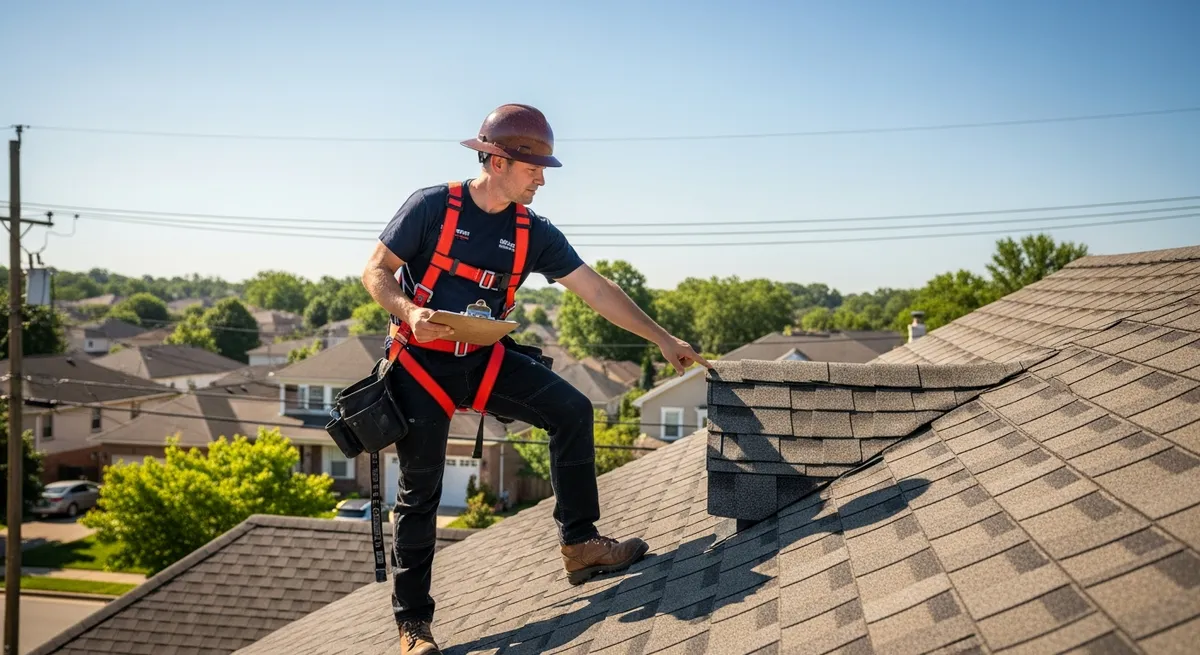
The in-person inspection reveals more about a contractor than any website or advertisement. A quality roof repair falls church va contractor will arrive on time, introduce themselves professionally, conduct a thorough inspection that includes climbing onto the roof to examine conditions firsthand, take photographs of existing damage and areas of concern, and explain their findings in clear, non-technical language. They should answer your questions patiently, present options rather than ultimatums, and provide the estimate within the timeframe they promise. If a contractor quotes a price without physically inspecting the roof, they are estimating blind—and blind estimates lead to change orders, budget overruns, and frustration for everyone involved.
Check references and reviews with genuine follow-through. Ask each prospective contractor for references from projects completed in Falls Church or nearby communities within the past two years, and take the time to call those references. Ask about the quality of the finished product, how the crew treated the property, whether the project stayed on schedule and on budget, and how the contractor handled any unexpected issues that came up. Online reviews on Google and the Better Business Bureau provide additional perspective, but focus on the overall pattern rather than individual outliers. A company with consistently positive reviews over several years has proven its reliability in a way that a newer company with a handful of perfect ratings simply cannot.
Trust the communication. How a contractor communicates during the sales process is a reliable preview of how they will communicate throughout the project. If they respond to your inquiry promptly, explain things clearly, follow up when they say they will, and treat your questions with respect, you can expect the same standard of professionalism once the work begins. If they are hard to reach, dismissive, pushy, or vague, those patterns will intensify once they have your deposit. The right contractor makes you feel informed and respected from the first phone call to the final walkthrough. Learn more about Sterling Roofers’ approach to every project on our about us page, and explore the full range of our capabilities on our services page.
Typical Timelines and What to Expect on Job Day
Understanding what happens on the day of your roofing project removes the anxiety that comes from the unknown and lets you prepare your home, your family, and your schedule appropriately. Whether you are having a targeted repair or a complete replacement, the process follows a logical sequence that a well-organized contractor will explain in advance so you know exactly what to expect at every stage.
For targeted repairs such as replacing a section of damaged shingles, resealing chimney flashing, or installing new pipe boots, the work typically takes two to six hours and can be completed in a single visit. The crew arrives in the morning, sets up protection for landscaping and walkways beneath the work area, completes the repair, cleans up the work zone, and walks you through what was done before leaving. For these smaller projects, disruption to your daily routine is minimal—the noise is brief, the crew footprint is small, and the property is restored to its pre-project condition by the end of the visit.
A complete roof replacement on a typical Falls Church single-family home can usually be completed in a single day, though homes with complex rooflines, multiple dormers, or structural repair needs may require two days. The crew arrives early—typically between 7:00 and 8:00 in the morning—and begins by setting up protective tarps over landscaping, walkways, and any areas that might be affected by falling debris. A dumpster is positioned for debris collection, and materials that were delivered the previous day are staged for efficient access throughout the project.
The tear-off phase begins first and is the noisiest part of the day. Using specialized tools, the crew strips the existing shingles, underlayment, and any deteriorated flashing from the roof deck, sending debris down chutes into the dumpster. This phase takes two to four hours depending on the size of the roof and the number of existing layers. Falls Church homes built in the 1950s through 1970s sometimes have two or even three layers of roofing material stacked on top of each other from previous re-roofing projects, which extends the tear-off timeline and generates significantly more debris.
Once the deck is bare, the crew inspects every square foot of sheathing for damage. This is the moment when hidden conditions become visible—water-damaged plywood that has softened, mold growth on the underside of sheathing, delaminated OSB, or areas where previous repairs were done with inadequate materials. If decking replacement is needed, the damaged sections are cut out and replaced with new structural sheathing before installation proceeds. A professional contractor photographs all decking damage, shares the images with you, and gets your approval for the additional work at the pre-agreed contingency price before proceeding.
Installation follows a precise sequence. Synthetic underlayment is rolled out across the entire deck and fastened securely. Ice-and-water shield membrane is applied in valleys, along the eave line, and at any transition points that are especially vulnerable to water intrusion. Drip edge is installed along eaves and rakes. Starter strip shingles are positioned along the edges, and then the main field shingles are installed from the eave upward in overlapping courses. Step flashing is woven into the shingle courses at every wall transition, counter-flashing is installed at chimneys, new pipe boots are placed at every plumbing vent penetration, and ridge vent is installed along the peak to complete the ventilation system. Hip and ridge cap shingles are the final roofing component, capping the ridge vent and completing the waterproof envelope.
Cleanup is the final phase and reflects the crew’s overall attitude toward their work. Every piece of debris is removed from the roof surface, gutters, yard, driveway, walkways, and flower beds. Magnetic nail sweepers are run across all paved and grassy areas to collect stray fasteners that could puncture tires or injure bare feet. Protective tarps are removed, and the property is inspected to ensure it is cleaner than when the crew arrived. The project manager conducts a final walkthrough with you, pointing out the completed work, explaining the warranty documentation, and answering any remaining questions. This walkthrough is your opportunity to confirm that everything matches the agreed-upon scope and that you are completely satisfied with the result.
Weather is always a variable in outdoor construction, and a professional contractor builds flexibility into the schedule. If rain is forecast on the scheduled project day, the contractor should contact you in advance to discuss options—either proceeding with a modified plan that includes tarping strategies, or rescheduling to a clear-weather day. A roof should never be left partially torn off and unprotected overnight without adequate tarping, and a contractor who allows that to happen is demonstrating a level of carelessness that should concern you. The hallmark of a well-managed project is that nothing surprises you—every step is communicated in advance, every contingency is planned for, and every decision is made collaboratively.
At Sterling Roofers, we bring this level of organization and transparency to every project we undertake in Falls Church, Arlington, Fairfax, McLean, Vienna, and across the Northern Virginia region. Our team is licensed, bonded, and insured. We provide detailed, itemized estimates that leave no room for ambiguity. We handle permits, coordinate with HOAs when required, and stand behind every project with strong workmanship warranties. Whether you need a quick repair to stop a leak or a comprehensive replacement to protect your home for the next three decades, we are here to help you navigate the process with confidence and peace of mind. Explore our roofing insurance page if your project involves a claim, or visit our roof financing page to learn about options that make larger projects more accessible.
Schedule Your Falls Church Roof Inspection
Book a Falls Church roof inspection with Sterling Roofers and get a clear next step without pressure. Call us today at (703) 436-4445 or schedule your free consultation online.
Schedule Free Consultation