
CHANTILLY & CLIFTON ROOF REPAIR
Key Takeaways
- Chantilly and Clifton see elevated storm frequency in summer — annual post-storm inspections are essential for both areas
- Virginia DPOR Class A or B license is required — unlicensed contractors create legal and insurance liability for homeowners
- Pipe boot and flashing failures are the most common repair triggers in both Chantilly and Clifton subdivisions
- Clifton’s older rural homes may have cedar shake or tile that requires specialty contractor experience — confirm before hiring
- A written scope should include before-and-after inspection photos as part of the agreed deliverables
Chantilly Roof Repair (and Clifton): Common Leaks, Fast Fixes, and Contractor Checklist
Finding reliable roof repair in Chantilly VA starts with understanding what causes problems and knowing how to evaluate roofing contractors. Sterling Roofers serves Sterling, VA and nearby Northern Virginia communities including Chantilly and Clifton. This guide covers what Chantilly roof repair typically involves, how to spot warning signs early, and what separates quality roofing contractors Chantilly VA from those who cut corners.
Chantilly and Clifton homes experience the same weather challenges as the rest of Fairfax County: summer thunderstorms, winter freeze-thaw cycles, and occasional wind events that test every roof in the neighborhood. The development patterns in these areas mean homes range from 1980s colonials to recent construction, each with different roofing systems and maintenance histories.
What Homeowners in Chantilly Usually Notice First
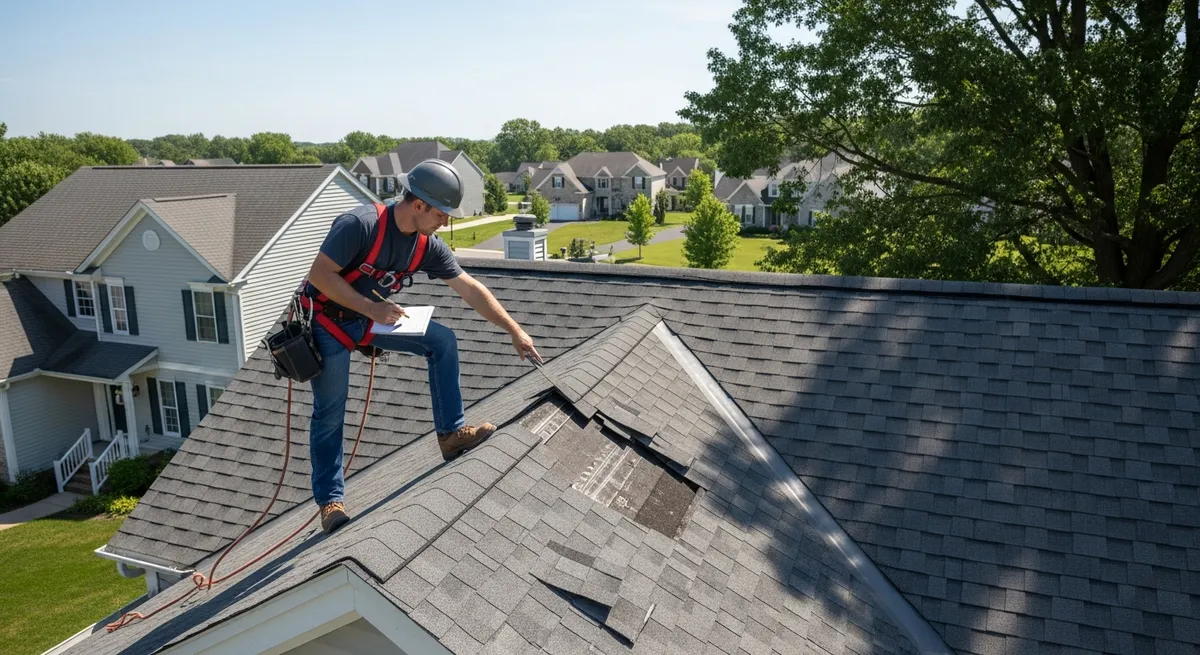
Before calling for roof repair Chantilly services, homeowners typically spot one of these warning signs. Catching problems early prevents minor issues from becoming major expenses.
Ceiling Stains: Brown or yellowish spots on ceilings often indicate water infiltration from above. These stains may appear far from the actual leak source since water travels along rafters before dripping. Fresh stains feel damp; older stains may only show discoloration.
Musty Attic Smell: A persistent musty odor in the attic signals moisture accumulation. This could indicate an active leak, condensation from poor ventilation, or both. Either situation requires attention before mold develops.
Shingle Debris in Yard: Finding shingle pieces or granules around your property after storms indicates wind damage or aging shingles. Granule loss accelerates when shingles near end of life.
Granules in Gutters: Some granule loss is normal in the first year after installation. Heavy accumulation in gutters after that period suggests shingle deterioration. Check gutters during cleaning for unusual amounts of grit.
Drafts in Upper Floors: Unexpected drafts or temperature variations in rooms below the attic can indicate gaps in the roof system allowing air infiltration. This often accompanies moisture problems.
Top Repair Scenarios (And Why They Happen)
Understanding common roof repair Chantilly VA scenarios helps you communicate with contractors and evaluate whether proposed solutions address the actual problem.
Flashing Failures: Metal flashing creates waterproof barriers where the roof meets walls, chimneys, skylights, and other penetrations. Temperature cycling causes flashing to expand and contract, eventually cracking sealants and loosening connections. Improper initial installation accelerates these failures.
Missing Shingles: Wind lifts shingle tabs, especially on older roofs where adhesive strips have weakened. Once adhesive fails on one shingle, adjacent shingles become more vulnerable. A single missing shingle exposes underlayment to UV and moisture damage.
Vent Boot Deterioration: Rubber boots around plumbing vents dry and crack after 10-15 years of sun exposure. These cracked boots allow water entry around every pipe penetration. Replacement during routine roof repair prevents future leaks.
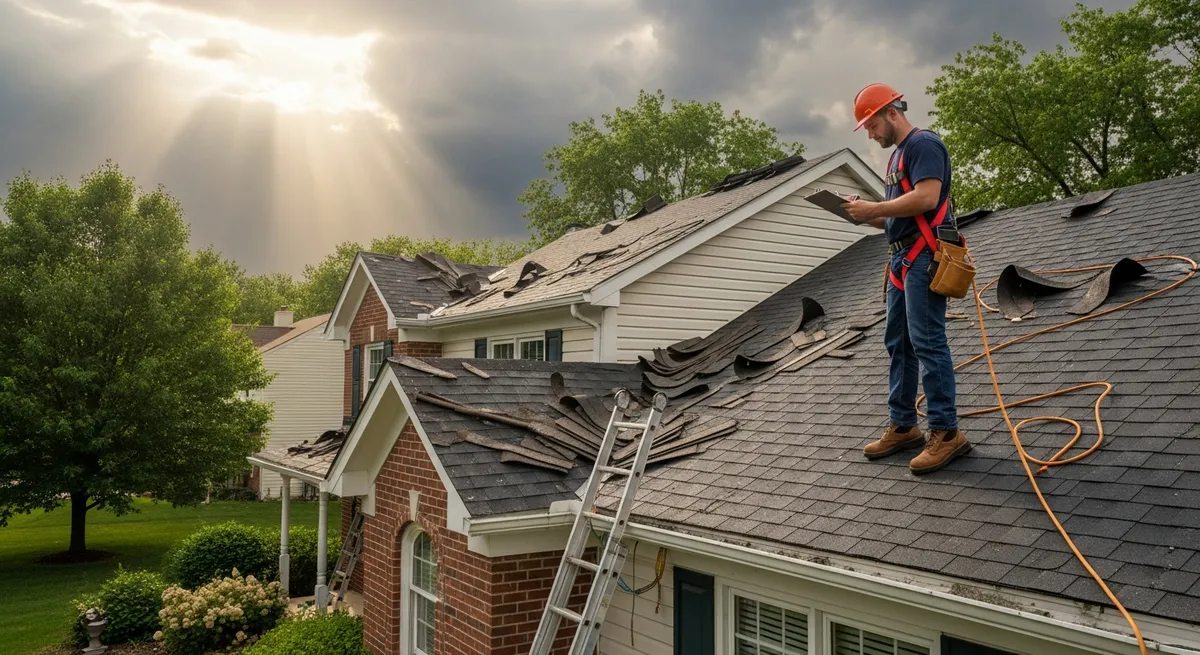
Storm Damage: Beyond wind, hail and falling branches crack shingles and dent flashing. Storm damage often appears minimal from ground level but reveals significant impact damage during close inspection. Clifton properties with mature tree coverage face particular risk from falling limbs.
Gutter Overflow: Clogged or undersized gutters cause water to back up under shingle edges and overflow against fascia boards. This damages both the roof edge and the fascia/soffit system. Addressing gutter issues often accompanies roof repairs.
How to Pick a Chantilly Roofing Company You Can Trust
Choosing the right roofing company Chantilly VA matters more than finding the lowest price. A reliable contractor diagnoses accurately, proposes appropriate solutions, and stands behind their work. Use this checklist when evaluating options.
License and Insurance: Verify current Virginia contractor licensing. Confirm liability insurance and workers\' compensation coverage with certificates showing adequate limits.
Written Scope: Get detailed estimates specifying exactly what work will be done, what materials will be used, and what\'s included in the price. Avoid vague proposals.
Warranty Terms: Understand workmanship warranty duration and what conditions void coverage. Get warranty terms in writing before work begins.
Project Photos: Quality contractors document conditions before and after repairs. Ask to see examples from recent similar projects.
Clear Communication: Does the contractor explain findings clearly? Can they describe exactly what they propose and why? Communication quality predicts project experience.
Fast Fixes vs Long-Term Fixes
Understanding the difference between temporary patches and durable repairs helps you evaluate contractor proposals and set realistic expectations.
Temporary Patching: Roof cement, tar, and caulk stop water temporarily but don\'t address underlying problems. These products degrade quickly in Northern Virginia\'s temperature extremes, from Vienna to Chantilly. A tarred-over flashing failure typically leaks again within months, often finding new pathways that cause additional damage.
Proper Flashing Replacement: Durable repairs remove failed flashing completely and install new metal with correct overlap patterns, proper integration with surrounding roofing, and appropriate sealants. This approach costs more initially but lasts decades rather than months.
Setting Expectations: Ask contractors directly whether proposed repairs are temporary or permanent. There\'s nothing wrong with a temporary patch to stop an active leak while permanent repairs are scheduled, but you should know what you\'re getting and plan accordingly.
How to Get a Quote That Doesn\'t Change Mid-Job
Surprise charges during repairs often result from incomplete initial assessments or vague proposals. Protect yourself with these practices.
Request Inspection Photos: Before providing a quote, a thorough contractor should inspect the roof and document conditions with photographs. These photos help you understand the problem and verify that proposed work addresses actual conditions.
Define Materials: The estimate should name specific products, not generic categories. "Install new flashing" could mean many things; "Install 26-gauge galvanized step flashing with polyurethane sealant" leaves no ambiguity.
Include Decking Allowances: Some roof damage isn\'t visible until shingles are removed. Quality estimates include a per-sheet price for decking replacement if needed, established before work begins so there are no surprises.
Confirm Cleanup: Debris removal, nail sweeping, and site cleanup should be explicitly included in the scope. Don\'t assume anything not written is included.
Frequently Asked Questions About Chantilly and Clifton Roof Repair
Can roof repairs be done in winter in Chantilly?
Yes, most repairs are possible during winter on dry days above freezing. Emergency tarping and temporary protection can be done in any conditions. Some sealants and adhesives require minimum temperatures for proper curing, so timing of permanent repairs may be adjusted.
What is the fastest way to stop an active roof leak?
A professional tarp installation provides immediate protection while permanent repairs are scheduled. Inside, contain water with buckets, move belongings away from the leak area, and avoid using the space until repairs are complete.
Why do leaks happen around vents and chimneys?
Flashing and rubber boots around penetrations deteriorate from UV exposure, temperature cycling, and age. Chimney mortar absorbs water and cracks in freeze-thaw conditions. These are the most common leak sources because they\'re the most vulnerable connection points.
Do I need new gutters if my roof leaks?
Not necessarily. While damaged or clogged gutters can contribute to roof edge problems, the gutters themselves may just need cleaning or minor repair. A thorough inspection identifies whether gutter issues contribute to roof problems.
How often should roofs be inspected?
Professional inspections every 3-5 years are recommended for roofs under 15 years old. Annual professional inspections make sense for older roofs. Homeowners should do ground-level visual checks after major storms year-round.
Schedule Your Chantilly/Clifton Roof Evaluation
Get an honest assessment from Sterling Roofers. Clear explanations, quality repairs, no pressure.
Schedule EvaluationOr call us directly: (703) 436-4445
Get a Free Roofing Estimate
Sterling Roofers serves Chantilly, Clifton, and surrounding areas with professional roof repair and inspection services. Call us at (703) 436-4445 or schedule online.
Schedule Free InspectionFrequently Asked Questions
Related Articles

About Sterling Roofers: Serving Sterling, VA and Northern Virginia including Chantilly and Clifton. Licensed, insured, and committed to honest assessments and quality repairs. Learn more about our team.