Solar Roof Contractor Guide: Roof Warranty Questions and Preventing Roof Damage
Solar Roof Contractor Guide: Roof Warranty Questions and Preventing Roof Damage
Key Takeaways
- If your roof is within 5–7 years of replacement, replace it before solar — removing and reinstalling a solar array mid-life adds $1,500–$4,000 to the project
- Solar panels do not void roof warranty when installed with manufacturer-approved through-mount flashings by a licensed installer
- A pre-installation roofing inspection documents baseline condition — critical for resolving any post-installation leak disputes
- Improper foot placement on shingles during installation is one of the most common causes of solar-related roof damage
- Get the solar installer’s mounting system specifications in writing and confirm compliance with your shingle manufacturer’s warranty terms
Solar installation in Northern Virginia and Maryland has accelerated significantly, and so have the roofing questions that come with it. Does solar panels void roof warranty? Do solar panels damage roof surfaces? When should you replace the roof before going solar? These are questions a solar roof contractor alone cannot always answer — they sit at the intersection of two separate trades, and getting the answers right protects both your investment in solar and the roof that supports it. Sterling Roofers serves Northern Virginia and nearby Maryland communities across the DMV. Here is what we see from the roofing side of solar installation.
Check Roof Condition Before Solar Goes On
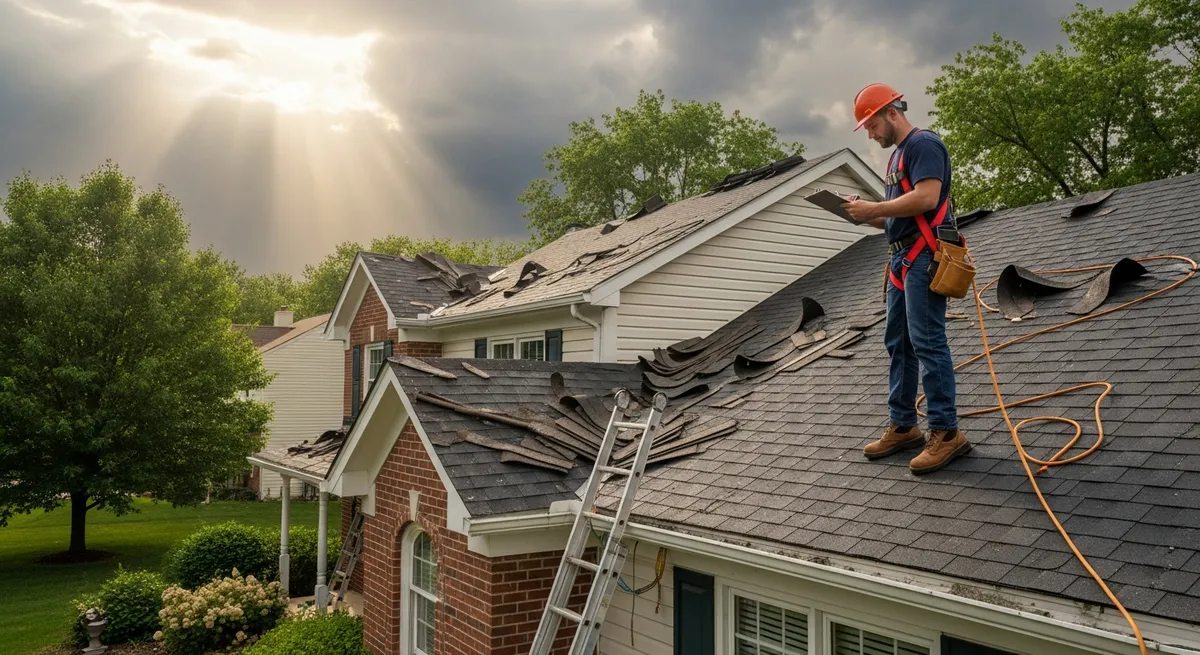
Solar panels are warranted for 25 years and designed to remain in place for the full life of the warranty. This means any roof problem that develops under the panels — a slow leak, a failing flashing, decking rot — is significantly harder and more expensive to address after the array is installed. A leaking roof under solar panels typically requires temporary removal of the panels to access the repair area, and solar panel removal and reinstallation adds $1,500–$4,000 to a repair project that might otherwise cost $400–$1,200.
The decision rule:
- Roof is 5 years old or newer: Proceed with solar without replacing the roof. The roof has substantial remaining life.
- Roof is 6–12 years old: Have a roofing contractor inspect and assess remaining life. If the roof has 15+ years remaining and is in sound condition (no active leaks, flashing is intact, no widespread granule loss), proceeding with solar is generally reasonable.
- Roof is 13–18 years old: Get a roofing inspection and take the contractor’s assessment seriously. A roof in this age range may have 5–8 years of remaining life — putting it squarely in the range where mid-solar-life replacement becomes likely if you do not replace it first.
- Roof is 19+ years old: Replace before solar in almost all cases. An asphalt shingle roof beyond its expected service life will almost certainly require replacement within the solar system’s warranty period.
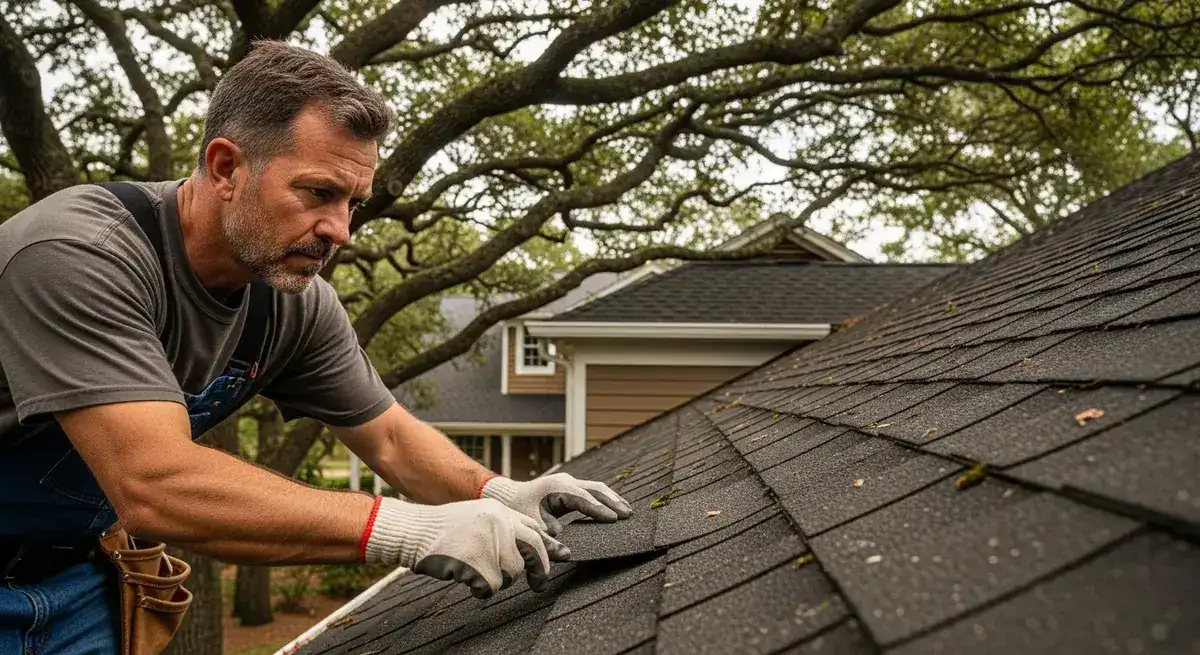
A roofing contractor’s written inspection report, with photographs and a condition assessment, gives you the concrete basis for this decision. Relying on the solar company’s salesperson to tell you whether the roof is “fine” is not a substitute for an independent roofing inspection.
Warranty Questions to Ask Before Installation
The warranty question — do solar panels void roof warranty? — is one of the most Googled questions in this space, and the answer is nuanced. Here is what to verify before any work starts:
Your shingle manufacturer’s penetration requirements. Most major shingle manufacturers (GAF, Owens Corning, CertainTeed, Atlas) publish installation requirements that include language about roof penetrations. These requirements specify that penetrations must be made using approved flashing methods, typically by a licensed roofing contractor. Ask your solar installer: “What mounting system are you using, and does it comply with [your shingle brand]’s warranty requirements?” Get the answer in writing.
Through-mount vs. direct-attach. There are two general approaches to roof-mounted solar:
- Through-mount with flashed base plate: The preferred method. A stainless or aluminum lag bolt is driven through a pre-flashed mounting base that integrates with the shingles and provides a watertight seal. This approach, when done correctly, maintains warranty compliance and creates a durable penetration.
- Direct drilling without integrated flashing: Some installers drill through shingles and apply butyl tape or sealant around the bolt. This may be functionally watertight initially but is not compliant with most shingle manufacturer warranty requirements and creates a penetration that is more likely to fail over time.
Your solar installer’s roofing workmanship warranty. Does solar panels void roof warranty from the solar company’s side? Ask them what their workmanship warranty covers in terms of roof penetration integrity. A reputable solar company will provide a workmanship warranty on the penetrations and mounting system that runs concurrent with or longer than the panel performance warranty.
How Panels Can Damage a Roof (and How to Prevent It)
Do solar panels damage your roof when professionally installed? No. Do solar panels damage roof surfaces when installation is done poorly? Yes. Here are the most common damage mechanisms:
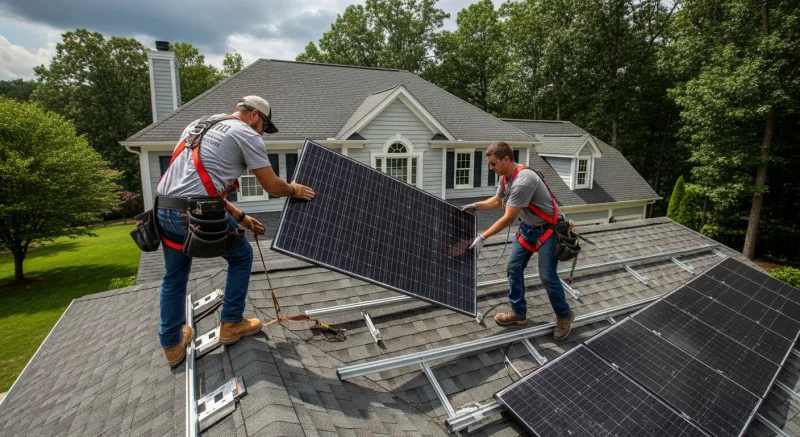
Improper foot placement during installation. Solar installation requires workers to be on the roof for hours, often carrying heavy panels. Without proper protection equipment (foam pads, plywood walkboards) and training on safe movement patterns, installer foot traffic causes granule displacement, shingle cracking, and seal strip damage that is sometimes not visible until a year later when the affected shingles begin to fail. Ask your installer what protocols they use for roof surface protection during installation.
Inadequate panel clearance. Panels mounted too close to the roof surface restrict airflow under the array. This causes higher heat buildup on the shingles beneath the panels, accelerating granule loss and shingle aging in that specific area. The difference in aging between the shingles under the array and the exposed shingles around it can be significant over a 10–15 year period. Industry practice is a minimum 3–4 inch clearance between the panel bottom and the roof surface.
Drainage obstruction. Solar panels mounted with rails that run horizontally across the roof slope can create a dam effect where water and debris accumulate behind the lower rail. Ensure the mounting design provides clear drainage paths through or around the rail system.
Rafter misses during mounting. Lag bolts for solar mounts must be driven into rafters, not just sheathing, to carry the structural load. When an installer misses a rafter and the bolt only penetrates sheathing, the connection will eventually fail, potentially pulling the mount and tearing the shingle in the process. A reputable installer uses a stud finder and confirms rafter location before drilling.
Planning for Future Roof Work
When the roof does eventually need replacement, the solar array creates a specific set of planning considerations:
- Solar panel removal and reinstallation cost: $1,500–$4,000 in the Northern Virginia market (as of 2026), depending on array size, system complexity, and whether monitoring systems need to be reset. This cost is in addition to the roof replacement cost and is typically not covered by the roof warranty.
- Document the system before removal. Before any roof replacement, photograph all panel locations, wiring runs, and conduit paths. This documentation makes reinstallation faster and reduces the risk of errors when the system goes back online.
- Temporary disconnection and electrical considerations. Panels must be disconnected from the inverter and the grid before removal. Your solar company handles this step; confirm with them whether they need advance notice and what the reconnection process involves.
- Re-seal all penetrations after reinstallation. After a solar array is removed and reinstalled, have a roofing contractor inspect and confirm the seal integrity at every mount point. This is a straightforward step that is often skipped and that protects the renewed roof warranty from the penetration-related exclusions.
Pre-Solar Roof Inspections Across Northern Virginia and Maryland
Before you commit to solar, know what your roof condition is. Sterling Roofers provides written inspection reports with condition assessments, remaining life estimates, and repair recommendations so you can make an informed decision. Call (703) 436-4445 or schedule online.
Schedule Pre-Solar Roof Inspection