Roofing Repair Herndon VA: A Practical Checklist for Leaks, Shingles, and Flashing
Roofing Repair Herndon VA: A Practical Checklist for Leaks, Shingles, and Flashing
Key Takeaways
- Herndon homes near wooded lots accumulate debris faster — bi-annual gutter and valley cleaning prevents most common leaks
- Virginia DPOR Class A or B license is required — unlicensed contractors cannot legally perform roofing work in Herndon
- Pipe boots and step flashing at dormers are the two most common Herndon repair calls after summer storms
- A written repair scope should specify materials by brand, not just category, to avoid substitution disputes
- Repair-only quotes that do not address adjacent deterioration are short-term fixes — ask what else the inspector observed
When you notice a leak, a missing shingle, or a section of damaged flashing on your Herndon home, the clock starts ticking on a problem that will only get worse with time. Roofing repair Herndon VA homeowners need most often falls into a handful of well-defined categories, and understanding those categories before you call a contractor puts you in a much stronger position to get the right repair done correctly the first time. Sterling Roofers serves Northern Virginia and nearby Maryland communities across the DMV, and we have spent years helping Herndon homeowners address roofing problems with the kind of precision and transparency that prevents small issues from becoming expensive disasters.
This guide is built around a practical, checklist-style approach to roof repair Herndon VA homeowners can use at every stage of the process—from the moment you first notice a problem through the completion of the repair and beyond. We will cover the fastest way to minimize damage when a leak appears, walk through the most common repair types that affect Herndon homes, explain what to look for after storms roll through the area, and give you a framework for communicating effectively with your roofer so the repair scope, timeline, and cost are crystal clear before work begins. Whether you are dealing with a dripping ceiling right now or planning ahead after noticing some wear on your shingles, this information will help you act with confidence rather than anxiety.
Herndon’s roofing landscape presents some specific challenges that homeowners in other areas may not face. The town’s established neighborhoods, built primarily between the 1970s and 2000s, contain a large number of roofs that are either approaching or have already passed the typical lifespan of their original materials. The dense tree coverage throughout neighborhoods like Fox Mill, Worldgate, and the areas near Sugarland Run creates heavy debris loads in gutters and shaded conditions that accelerate biological growth on roof surfaces. And the Northern Virginia climate—with its hot, humid summers, persistent freeze-thaw winter cycles, and severe spring storms—subjects every roofing component to a demanding cycle of stress that few other regions can match.
The good news is that most roofing problems in Herndon, when caught early and addressed properly, are manageable repairs rather than catastrophic failures. The key is knowing what to look for, acting promptly when you spot something wrong, and working with roofing contractors Herndon VA professionals who diagnose the root cause of a problem rather than just treating the visible symptom. A repair that addresses only the surface-level issue without correcting the underlying cause is a repair that will need to be repeated, and repeated repairs on the same area are one of the most frustrating and wasteful expenses a homeowner can face.
The Fastest Way to Reduce Leak Damage
When a roof leak makes itself known inside your home—whether as a water stain spreading across the ceiling, active dripping during a rainstorm, or dampness on an interior wall—the actions you take in the first few hours can mean the difference between a simple repair and thousands of dollars in secondary damage. The instinct most homeowners have is to call a roofer immediately, and while that is absolutely the right second step, the first step is managing the water that is already inside your home to limit the damage it causes while you wait for professional help.
If water is actively dripping from the ceiling, place a container beneath the drip point to catch the water and prevent it from soaking into flooring and furnishings. If the ceiling is bulging or discolored over a large area, there may be a pool of water accumulating above the drywall. Placing a bucket beneath the center of the bulge and carefully puncturing the lowest point with a screwdriver allows the water to drain in a controlled manner rather than causing the entire section of ceiling to collapse unpredictably. This controlled drainage prevents the kind of sudden, catastrophic ceiling failure that ruins furniture, electronics, and flooring in an instant.
Move any furniture, electronics, and personal belongings away from the affected area. Water damage to personal property adds up quickly, and items like upholstered furniture, rugs, and electronics can be ruined by even brief exposure to moisture. If the leak is near an electrical fixture or outlet, turn off the circuit at the breaker panel before placing anything beneath the drip point. Water and electricity are a dangerous combination, and safety should always take priority over property protection.
Document the damage with photographs and video before you clean up or move anything. Your homeowner’s insurance policy may cover the cost of repair and any resulting interior damage, but the claims process requires documentation of the damage as it appeared when discovered. Photograph the ceiling stain or active leak, any water on the floor, any damaged belongings, and if safely accessible, any visible damage in the attic. This documentation becomes your strongest asset when filing a claim and ensures that the full scope of the damage is captured before cleanup begins. For a deeper understanding of the insurance claims process, visit our dedicated resource.
Once you have managed the immediate water intrusion and documented the damage, call a roofing contractor for an emergency inspection and temporary repair. A reputable contractor can typically arrange emergency tarping or temporary waterproofing within 24 to 48 hours, which stops additional water from entering the home while a permanent repair is scheduled. The temporary measure buys time for a proper diagnosis and repair plan without allowing the leak to cause further damage during the interval. Understanding your roofing insurance coverage before an emergency strikes makes the claims process significantly smoother when the time comes.
The attic is your most valuable diagnostic resource when tracking a leak. If you can safely access your attic during or shortly after a rainstorm, bring a flashlight and look for active water trails, damp insulation, staining on the underside of the roof deck, and any daylight visible through gaps or holes. Water entering the roof can travel along rafters and sheathing for several feet before dripping through the ceiling into the living space below, so the ceiling stain is rarely directly below the actual entry point. Following the water trail upstream through the attic is the most effective way to identify the true source of the leak, and this information helps your contractor pinpoint the repair area accurately during their inspection.
Timing your response matters more than many homeowners realize. A small leak that goes unaddressed for weeks or months can cause damage that far exceeds the cost of the original repair. Moisture trapped in insulation loses its thermal effectiveness and promotes mold growth. Water on the roof deck softens the plywood and eventually compromises its structural integrity. Dampness on framing members can lead to wood rot that affects the structural capacity of the roof. Every day that a leak continues is a day that the repair scope and cost are growing. Acting quickly is the single most effective way to keep a roofing repair Herndon VA project manageable and affordable.
Common Repair Types in Herndon
Understanding the most common types of roof repairs helps you set realistic expectations for scope, cost, and timeline when working with your contractor. While every roof is unique, the problems that drive most roof repair Herndon VA homeowners to call a contractor fall into a relatively small number of categories, and knowing what each one involves gives you the ability to ask informed questions and evaluate the recommendations you receive.
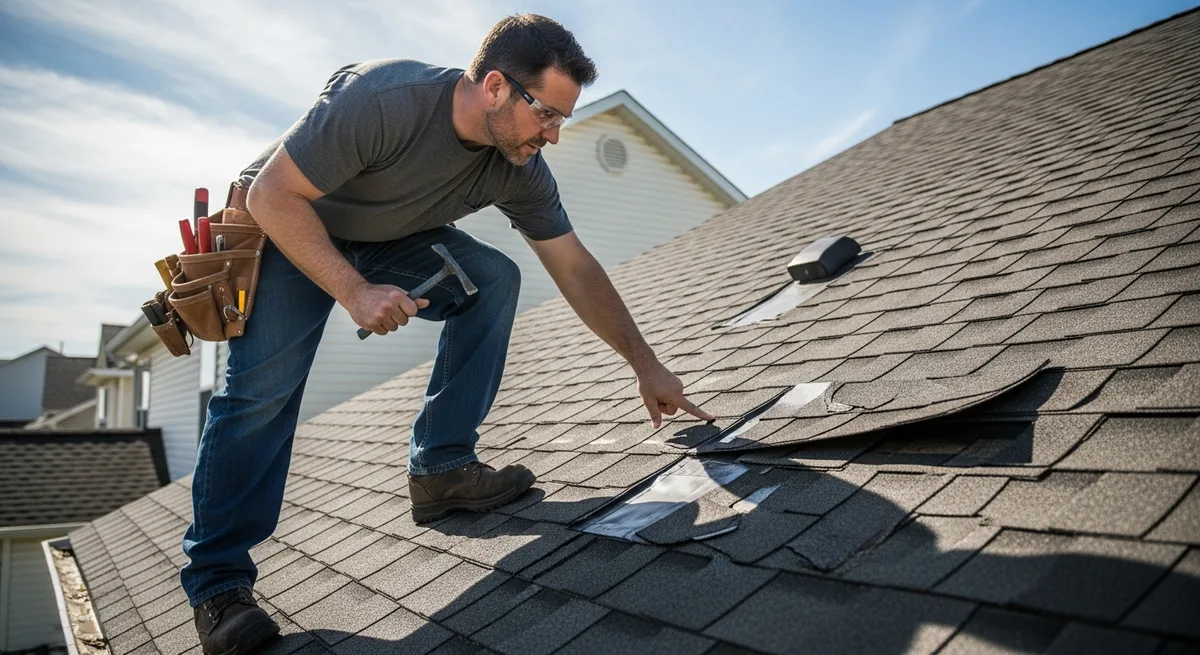
Flashing repair and replacement is one of the most frequently performed services on Herndon roofs. Flashing is the metal material—typically aluminum, galvanized steel, or copper—that seals the joints where different surfaces meet on your roof: around chimneys, along walls, at dormers, around skylights, and at valley intersections. These transition points are the most vulnerable areas on any roof because they involve joints between dissimilar materials that expand and contract at different rates with temperature changes. Over time, sealant bonds fail, fasteners loosen, and gaps develop that allow water to enter the roof structure. Repairing or replacing failed flashing is often the single most impactful repair a homeowner can make, because flashing failures are responsible for a disproportionate share of the leaks that occur on otherwise sound roofs.
Shingle repair and replacement covers a range of scenarios from replacing a handful of wind-damaged shingles to addressing larger sections of deteriorated material. When shingles are missing, cracked, curled, or have lost significant granule coverage, they are no longer providing adequate protection to the underlayment and decking below. The repair approach depends on the extent and location of the damage. Isolated damage to a small area can be repaired by removing the affected shingles and installing matching replacements. Larger areas of damage or deterioration may require removing and replacing entire courses or sections. The key consideration is whether the repair will integrate seamlessly with the surrounding existing material and provide durable, long-lasting protection.
Pipe boot replacement is one of the simplest and most cost-effective roof repairs available. The rubber or neoprene boots that seal around plumbing vent pipes are among the first components to fail on any roof because the material degrades steadily under UV exposure and temperature extremes. A cracked pipe boot allows water to seep down around the pipe and into the attic below, where it can damage insulation, decking, and framing before anyone notices. Replacing a pipe boot is typically a 30 to 60 minute job for an experienced technician and costs a fraction of what more complex repairs run, making it one of the highest-value preventive maintenance items a homeowner can address.
Ridge cap and hip shingle repair addresses the shingles that cover the peak of the roof and the angled ridges where two slopes meet. These shingles are more exposed to wind and weather than the field shingles on the main roof surface, and they often fail sooner as a result. When ridge cap shingles crack, lift, or blow off, they leave the ridge vulnerable to water intrusion at one of the highest points on the roof—a point where water can travel in multiple directions and affect a large area of the structure below. Replacing ridge cap shingles is a straightforward repair that experienced roofing professionals can complete quickly, restoring the weather seal at this critical juncture.
Decking repair involves replacing sections of the plywood or OSB panels that form the structural surface of the roof. Decking damage is typically discovered during a tear-off or when an attic inspection reveals soft spots, delamination, or mold growth on the underside of the panels. Water damage from previous leaks, condensation from ventilation problems, and age-related deterioration are the most common causes. Damaged decking compromises the structural integrity of the roof and prevents shingles from being properly fastened, making replacement essential for any repair or re-roofing project to succeed long-term.
Ventilation improvements are frequently performed alongside other repairs because ventilation problems are so often the underlying cause of the damage being repaired. Adding soffit vents to improve intake airflow, installing ridge vent to improve exhaust, or replacing inefficient box vents with continuous ridge vent are all modifications that reduce attic temperatures in summer, prevent moisture accumulation in winter, and extend the life of every other component in the roofing system. A contractor who evaluates ventilation as part of every repair project is a contractor who understands that treating symptoms without addressing causes leads to repeat failures.
What to Inspect After Storms
Storms are the leading cause of sudden roof damage in Herndon, and the actions you take in the days following a severe weather event can have a profound impact on the cost and complexity of the resulting repairs. Not all storm damage is immediately obvious—in fact, some of the most significant damage is virtually invisible from the ground and can go undetected for weeks or months until the next heavy rain exposes a leak that was not there before. Knowing what to look for after a storm empowers you to act quickly, document damage effectively, and engage your contractor and insurance company before small problems become large ones.
After any significant wind event, check the ground around your home and in your gutters for shingles, shingle fragments, or small pieces of metal flashing. These debris pieces indicate that something has separated from your roof, and the area where they originated needs inspection. From the ground, use binoculars to scan each visible slope for missing shingles, lifted shingle tabs, or areas where the shingle color appears inconsistent—which can indicate exposed underlayment where shingles have been removed by wind. Pay particular attention to ridge caps, edges, and any areas near trees where falling branches may have caused impact damage.
Hail damage is one of the most insidious forms of storm damage because it is often invisible from the ground. Hailstones impact the shingle surface and create small dents or bruises that displace granules and compromise the waterproofing layer beneath. These bruises may not leak immediately, but they weaken the shingle and create entry points for moisture that gradually worsen over weeks and months. If your area experienced hail during a storm, a professional roof inspection is strongly recommended even if no damage is visible from the ground. A qualified contractor can identify hail impacts on the shingle surface, document them with photographs, and provide the report your insurance company needs to evaluate a claim. Our storm and hail damage guide provides a comprehensive overview of what to expect.
Fallen tree limbs and branches can cause a range of damage from minor shingle displacement to significant structural impact. Even a relatively small branch falling from a height can crack shingles, dent flashing, or dislodge ridge cap material. Larger limbs can puncture the roof deck entirely, creating an immediate opening for water intrusion. After any storm that brings down tree debris, inspect both the roof surface and the attic for signs of impact damage. If a large limb has landed on the roof and remains in place, do not attempt to remove it yourself—the limb may be providing temporary coverage over the damage it caused, and removing it without proper preparation can expose the damaged area to water intrusion before a repair can be completed.
Interior inspection is just as important as exterior observation after a storm. Check ceilings and walls on the top floor for any new water stains, damp spots, or discoloration that appeared during or shortly after the storm. Inspect the attic for any daylight visible through the roof deck, active water trails, damp insulation, or debris that may have entered through a compromised area. These interior signs often provide the earliest and clearest evidence of storm damage, even when the exterior of the roof appears intact from the ground.
Timing your inspection and any resulting insurance claim is important. Most homeowner insurance policies require damage to be reported within a specific window—often 12 months from the date of the storm—and waiting too long to file can result in a denied claim. Even if the damage appears minor, documenting it promptly and contacting your insurer establishes the timeline and preserves your coverage rights. A professional roof inspection report from a qualified contractor provides the documentation your insurer needs to evaluate the claim fairly, and having your contractor present during the adjuster’s inspection ensures that all damage is identified and included in the assessment. Visit our service areas page to see the full range of communities we serve throughout the region.
How to Talk to Your Roofer
The way you communicate with your roofing contractor has a direct impact on the quality of the repair you receive, the accuracy of the estimate, and your overall satisfaction with the experience. Many homeowners feel at a disadvantage when talking to a roofer because roofing is a specialized trade with its own terminology, techniques, and decision frameworks. But effective communication does not require you to become a roofing expert—it requires you to ask the right questions, understand the answers, and hold the contractor accountable for clear, honest communication in return.
When describing the problem to your contractor, be as specific as possible about what you have observed, when you first noticed it, and any conditions that make it better or worse. Instead of saying “my roof leaks,” provide details: “I noticed a water stain on the ceiling of the upstairs bedroom that appeared after the rainstorm last Tuesday and seems to grow larger during heavy rain.” This level of detail helps the contractor narrow the diagnostic search area and arrive at the correct diagnosis more quickly. Mention any prior repairs, the approximate age of the roof, and whether you have noticed any other symptoms like granules in the gutters, missing shingles on the ground, or unusual energy bills.
During the inspection, ask the contractor to explain their findings in plain language and to show you photographs or point out the areas of concern from the ground. A good contractor will walk you through their diagnosis step by step, explaining what they found, why it matters, and what they recommend doing about it. If the explanation includes unfamiliar terms, ask for clarification—there is no such thing as a stupid question when it comes to your roof, and a contractor who is dismissive or impatient with your questions is not the right contractor for your project.
Ask for a detailed written estimate that breaks down the repair into specific components. The estimate should identify each problem area, describe the repair approach, list the materials that will be used, and provide separate line items for labor, materials, disposal, and any permits. Ask about the change-order policy—what happens if additional damage is discovered during the repair, how the cost is calculated, and whether your written approval is required before any extra work is performed. This level of documentation eliminates ambiguity and ensures that both you and the contractor have the same understanding of the scope and cost before work begins.
Discuss the timeline realistically. Ask when the work can be scheduled, how long it will take, and how weather delays are handled. Ask whether the crew will complete the work in a single visit or whether multiple days will be required. If the repair is urgent because of active water intrusion, ask about temporary measures that can be put in place immediately while the permanent repair is scheduled. A contractor who provides clear, specific answers to these questions is a contractor who has thought through the project and is committed to managing your expectations honestly.
After the repair is complete, conduct a walkthrough with the contractor to review the finished work. Ask them to explain what was done, point out the repaired areas, and confirm that the scope of work matches the original estimate. Collect warranty documentation that specifies what is covered, for how long, and how to file a claim if an issue arises. The post-repair walkthrough is your final quality check and your opportunity to ask any remaining questions before making the final payment. A contractor who welcomes this step is a contractor who is confident in the quality of their work and proud of the result.
Building an ongoing relationship with your roofing contractor delivers value that extends far beyond any single repair. A contractor who knows your roof’s history, has seen its condition evolve over time, and understands the specific vulnerabilities of your home can provide faster, more accurate diagnoses when problems arise and more targeted recommendations for preventive maintenance that extends the life of your entire roofing system. That kind of relationship is built on clear communication, mutual respect, and consistent quality—and it starts with the very first phone call you make.
Choosing to work with a contractor who values transparency as much as you do is the most important decision in the entire repair process. The right contractor does not just fix your roof—they educate you about your roof, empower you to make informed decisions, and earn your trust through actions rather than promises. That is the standard that every Herndon homeowner deserves, and it is the standard that our team at Sterling Roofers holds ourselves to on every single project we complete.
Book a Herndon Repair Visit
Book a Herndon repair visit with Sterling Roofers and get photos plus a clear scope. Call us today at (703) 436-4445 or schedule your free consultation online.
Schedule Free Consultation